The Naples issue
The Art of the Pizzaiolo: How Naples Guards Its Pizza as a Sacred Craft
Naples treats its pizza less as a dish than as an inheritance — here is how to eat your way honestly through the craft, from the Tribunali shrines to the fried-dough counters and the new-wave dining rooms.

By Katja BrandtThe city before the postcard cropped it
In 2017 UNESCO added the arte del pizzaiuolo napoletano — the craft of the Neapolitan pizza-maker — to its list of intangible cultural heritage, a bureaucratic gesture that only formalised what the city had understood for the better part of two centuries. Pizza here is not street food that happened to become famous; it is a guild skill passed down through families, argued over in dialect, and defended with the seriousness other cities reserve for cathedrals. To eat it properly you have to understand that the wait, the queue, and the ten-euro bill are part of the point, not obstacles to it.
What follows is not a ranking. The Neapolitans themselves will not give you one, and the argument over who makes the best Margherita is a civic pastime with no intended resolution. Instead this is a guide to the craft as it is actually practised across the city — the century-old rooms of the historic centre, the fried tradition that predates the oven pizza most tourists come for, and the newer dining rooms where a younger generation has raised hydration levels and prices alike. Along the way I have tried to be honest about which places suit two people and which can seat a group, because in the old centre that distinction decides your evening more than the menu does.
The dogma of the disc
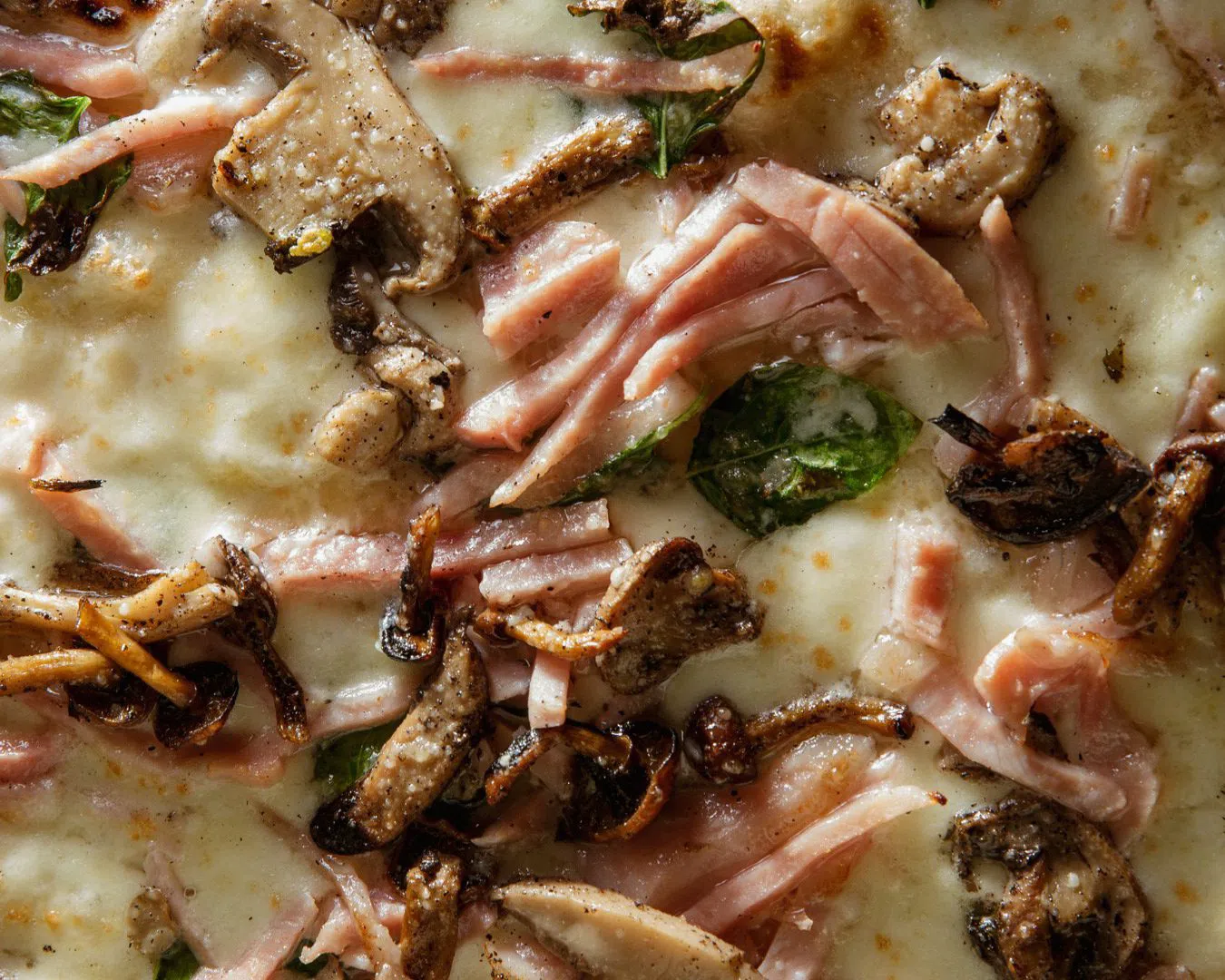
Before the addresses, the rules — because they explain the queues. A true Neapolitan pizza is a small, soft, blistered thing, cooked in a wood oven at around 430°C for sixty to ninety seconds, its raised rim (the cornicione) charred in leopard spots and its centre deliberately wet enough to fold. It is eaten with a knife and fork, or folded into the portafoglio (wallet) shape and eaten on the move. The dough is a matter of hydration and long fermentation; the tomatoes are San Marzano-style; the topping is restrained to the point of austerity. A Margherita and a marinara (no cheese, just tomato, garlic, oregano) remain the two dishes by which a pizzaiolo is judged.
The practical consequence is that these places are volume operations built around a single oven. They do not, by and large, take reservations; they do not pad the menu; and they turn tables fast. Knowing that going in changes the experience from an exercise in frustration into a piece of theatre.
Plan your Naples trip
Live prices from our booking partners.
Free cancellation on many rooms. We may earn a commission when you book.
The shrines of the historic centre
The densest concentration of legendary ovens sits in the tangle of streets around Via dei Tribunali and Forcella, a ten-minute walk from the central station and best approached on foot.
L'Antica Pizzeria da Michele (Forcella), open on Via Cesare Sersale since 1870, is the purist's shrine and the one many visitors arrive already knowing — it is the pizzeria from Eat, Pray, Love, a fame it wears with weary grace. The menu is essentially two pizzas, the interior is two cramped rooms, and there are no reservations: you take a paper number and wait, often out on the street. At roughly €5–7 a pizza it is also among the cheapest serious meals in the city. Come early, come hungry, and come as a couple or a pair — a large group here means either a long split-up wait or an awkward negotiation. The ritual is the reason to come; treat the queue as the price of admission.
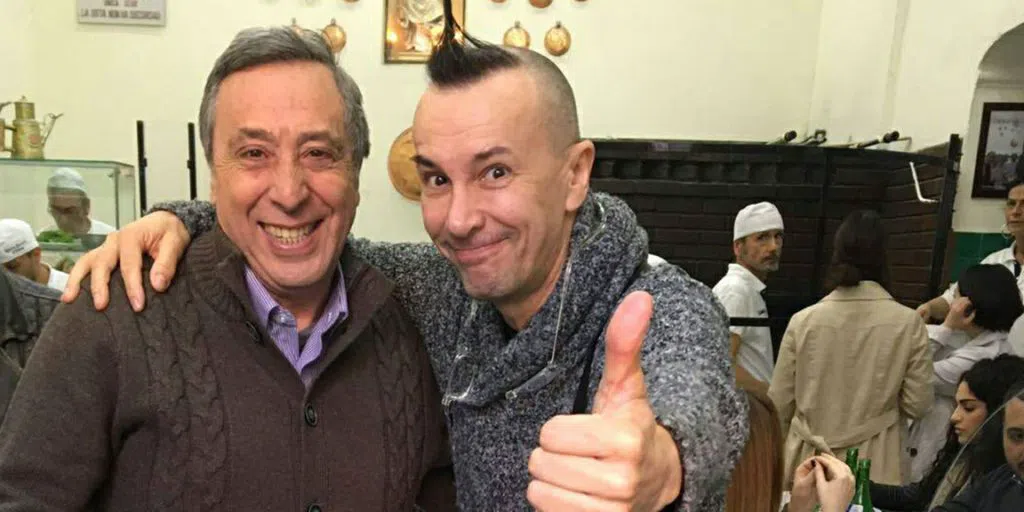
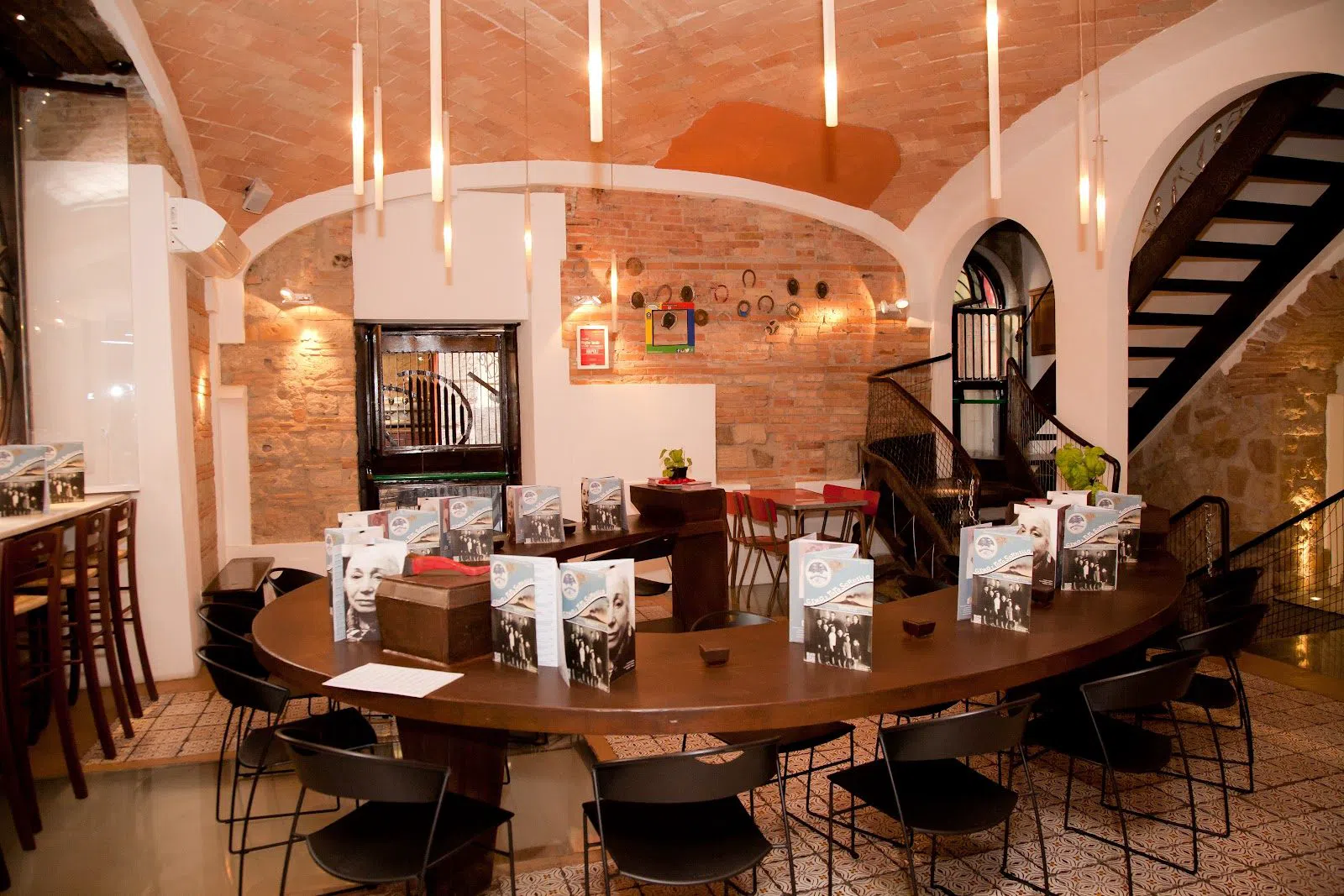
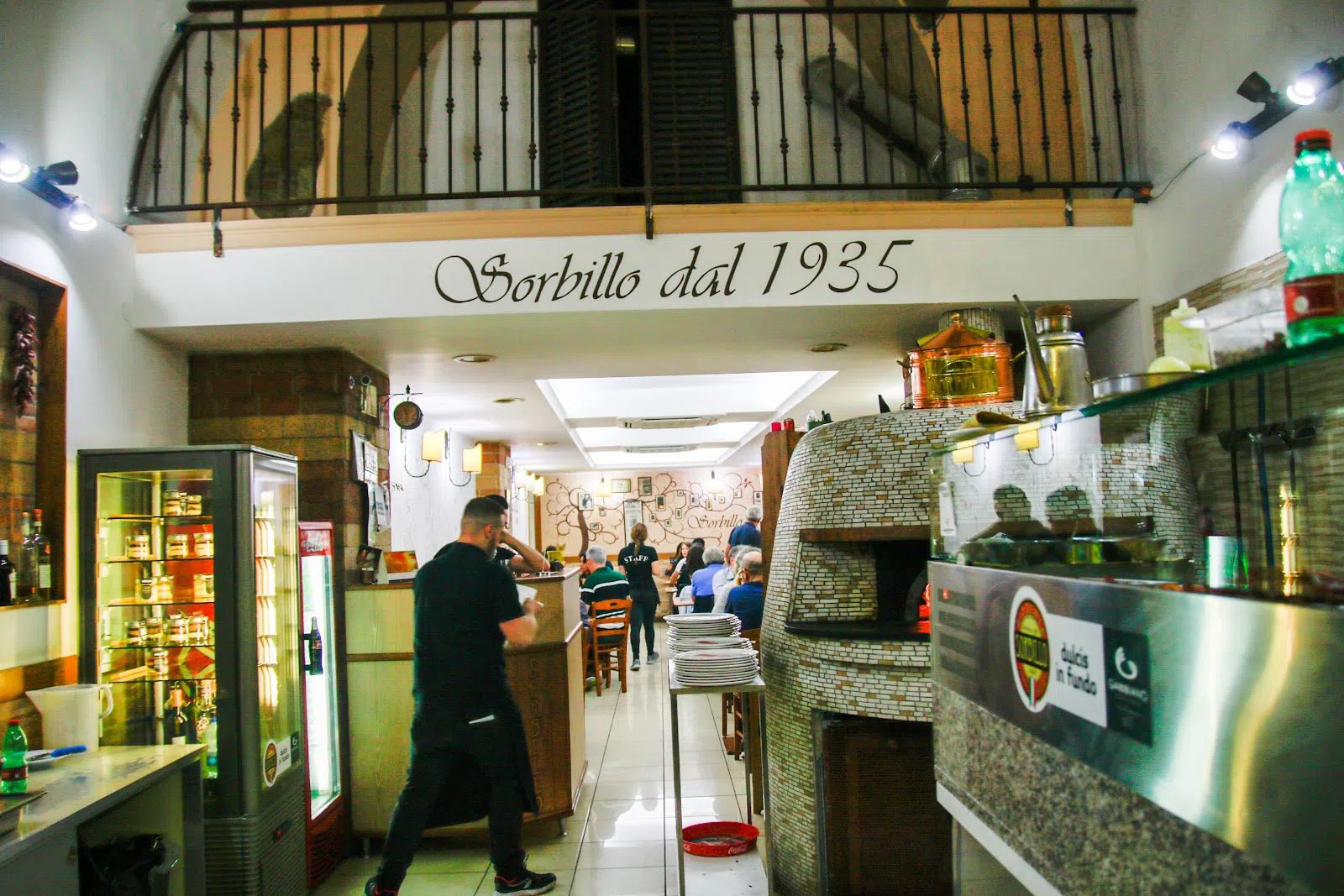
A few streets over on Via dei Tribunali, Gino e Toto Sorbillo is the most famous name on the strip and, since 2026, a Michelin Guide entry — recognition for a light, high-hydration cornicione that has become the reference point for the modern historic-centre style. The historic branch takes no bookings and the street queue can feel like a scrum; you give your name and hover. Prices run about €5–9. If you are more than four people, save yourself the crush and use the roomier seafront Lungomare location instead, where the same kitchen has space to seat you.
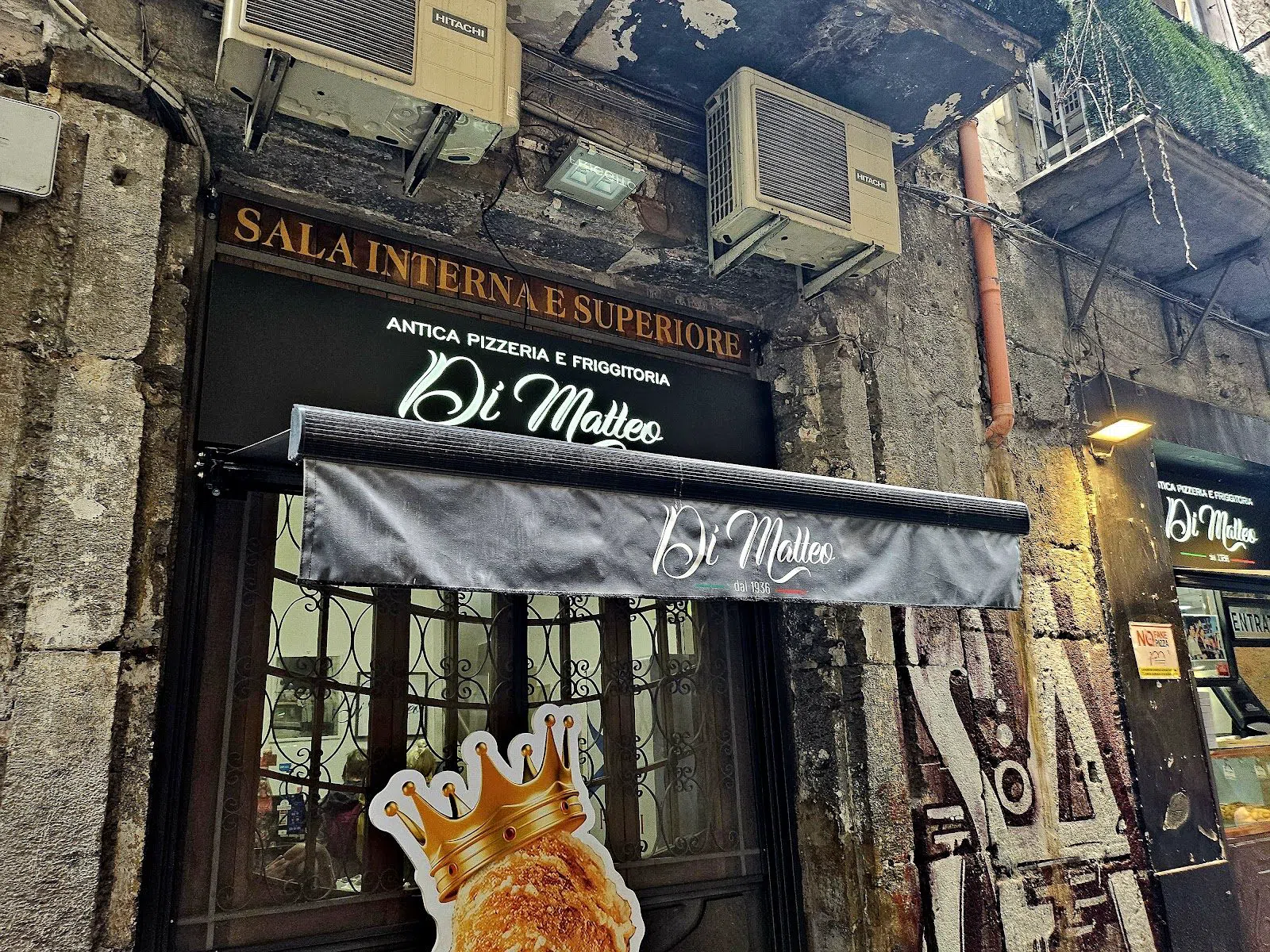
Next door in spirit and geography, Antica Pizzeria e Friggitoria Di Matteo (Via dei Tribunali) has fed a G7 summit — Bill Clinton famously stopped here in 1994 — and does two things at once. Upstairs are tight, stacked floors fine for a couple or a small group; out front is a street window (friggitoria) selling fried snacks to eat as you walk. The fried offering is as much the point as the sit-down Margherita, and at €4–8 it is an easy, cheap introduction. Large parties should telephone ahead or plan to eat standing; the window does not seat anyone.
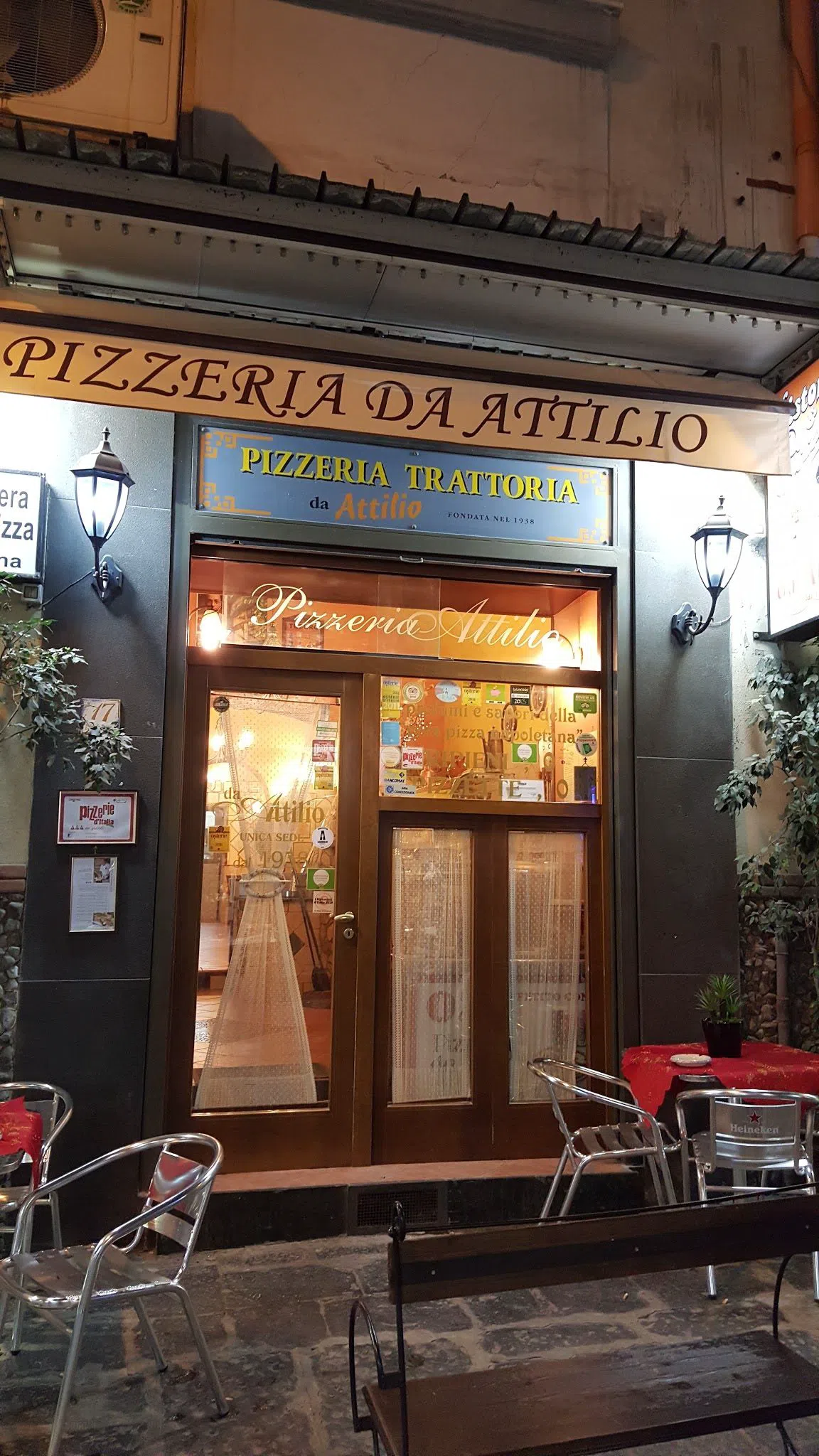
Over in the Pignasecca market district, Pizzeria Da Attilio has been run by the same family since 1938 and turned up on David Chang's Ugly Delicious, which brought it a queue it is far too small to absorb comfortably. There are only a handful of tables across two little rooms and no reservations; the welcome is warm but the space is genuinely tight for groups. The house signature is a star-shaped pie with ricotta-stuffed points — a real visual flourish rather than a gimmick. Budget around €6–10. Best for two or three people willing to wait.
For a group, the old centre's most sensible answer sits near Piazza Garibaldi. Pizzeria Trianon da Ciro (Forcella), open since 1923, is multi-floor and roomy where its rivals are shoeboxes, and it takes walk-ins without fuss. It will not give you the pilgrimage-shrine intimacy of da Michele, but it will seat eight people without a fight, which on a busy night in Naples is its own kind of miracle. Prices are budget to mid, roughly €6–11. This is where I send families and larger parties who want the classic Neapolitan pizza without an hour on the pavement.
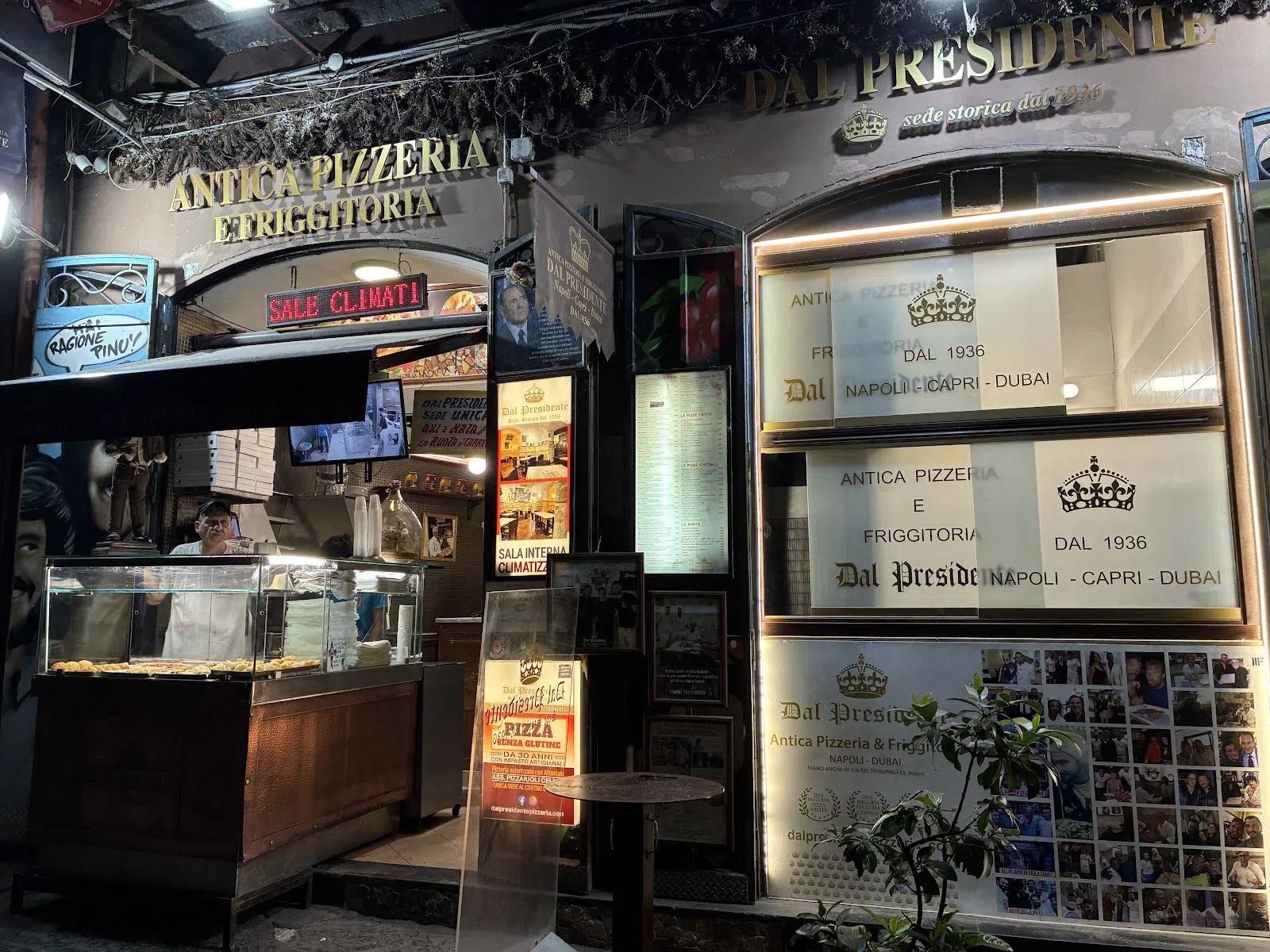
Also on Via dei Tribunali, Dal Presidente trades gently on its presidential name and works best as a quick, cheaper stop than its neighbours. It is a casual walk-in with a street window for takeaway and small tables inside that suit couples and pairs rather than crowds. At about €5–8, and with a good fried pizza to eat on the move, it is a dependable filler between the bigger names rather than a destination in itself.
The fried tradition, which came first
It is easy to arrive in Naples believing pizza means the wood-oven disc, but the city's poorer, older tradition is pizza fritta — dough stuffed, folded, and deep-fried, born of post-war scarcity when ovens and ingredients were dear. It remains cheaper, heavier, and in its way more authentically Neapolitan than the version that conquered the world.
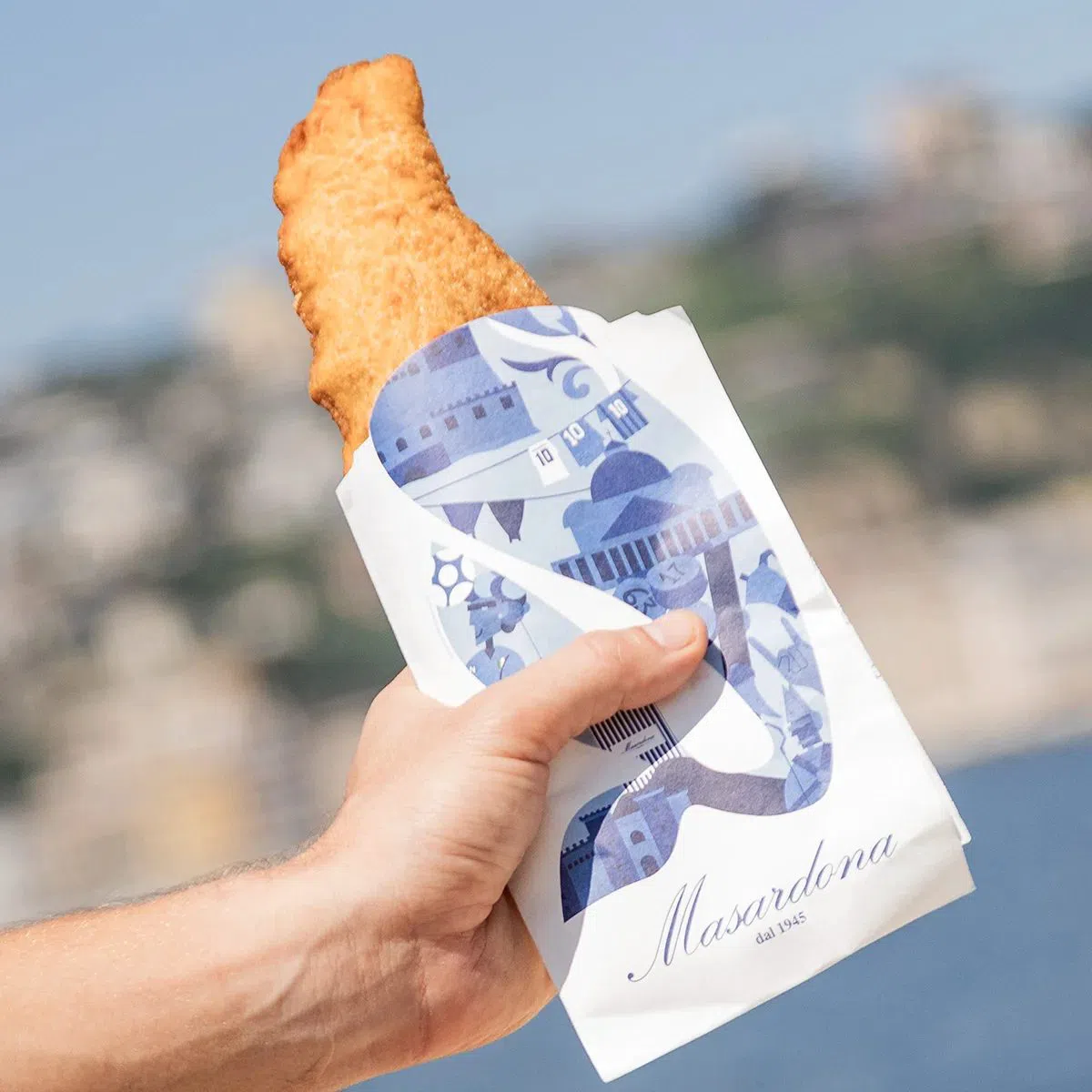
Antica Friggitoria La Masardona (near the central station, in the Vasto district) has specialised in fried pizza since 1945 and is the institution that made it famous. It is small and informal — a counter operation more than a restaurant — and works for a casual group snack rather than a seated banquet. At €5–9 it is the essential counterpoint to the oven-pizza giants, and the place to understand where the fried tradition comes from. Go for the technique, not the tablecloth.
The cheap-thrill, grab-it-hot end of the same tradition is Antica Pizza Fritta da Zia Esterina Sorbillo (Via dei Tribunali / Via Toledo), a takeaway window built on the recipe of Gino Sorbillo's aunt Esterina. There is no seating at all: a base fried pizza starts around €4.90, there is usually a line, and you eat standing. The sensible move with a group is to buy, then walk two minutes to a nearby piazza and eat there. It is one of the best-value things you can put in your hand in this city.
Both of the street windows mentioned earlier — at Di Matteo and Dal Presidente — also serve the fried version, so a self-guided pizza fritta crawl through the historic centre is entirely feasible on foot and on a modest budget.
The new wave and the gourmet turn
A generation of pizzaioli has spent the last fifteen years pushing the craft in two directions at once: longer fermentations and airier dough on one side, tasting-menu ambition on the other. These places tend to take reservations, sit you comfortably, and charge more — which, if you are travelling as a group, is often exactly what you want.
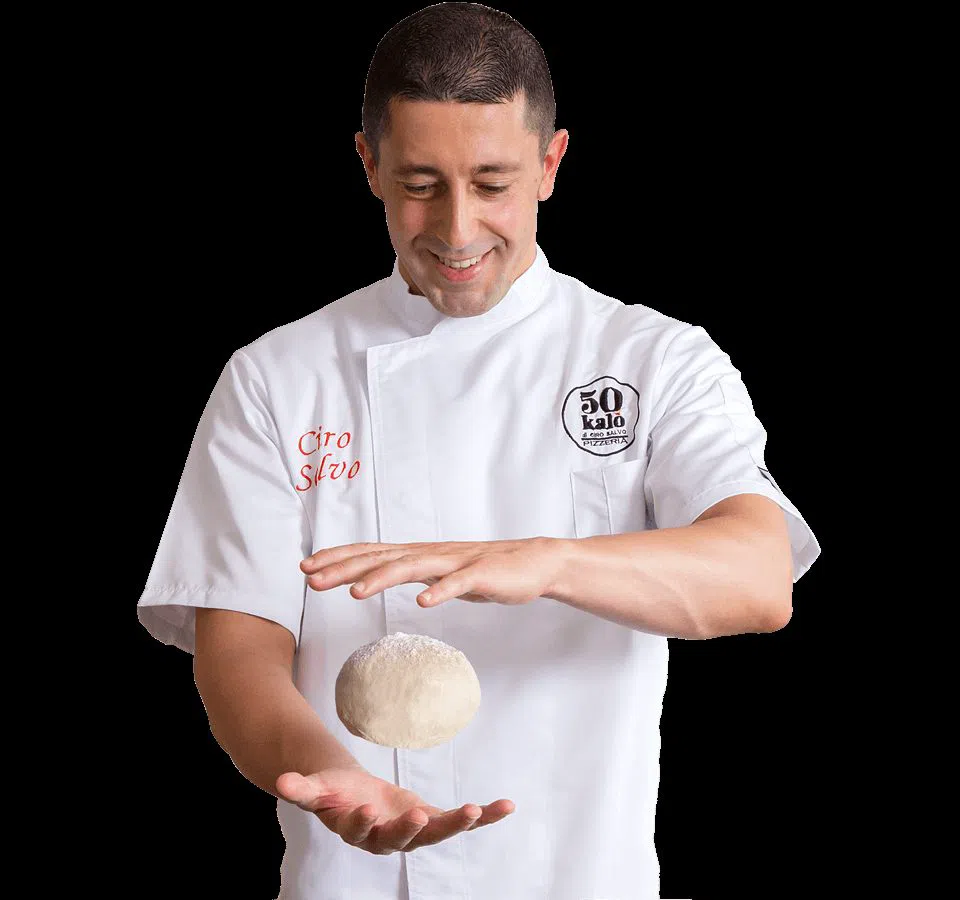
50 Kalò di Ciro Salvo (Mergellina), out by the seafront in Piazza Sannazaro, is the standard-bearer of the high-hydration 'new wave'. It is a modern room that takes reservations and has outdoor seating, so it handles groups with none of the old-town crush. Ciro Salvo's dough is the draw — feather-light and long-fermented — and the pizzeria is a fixture of the 50 Top Pizza rankings. At roughly €8–14 it costs a little more than the Tribunali shrines and is worth it for the comfort alone.
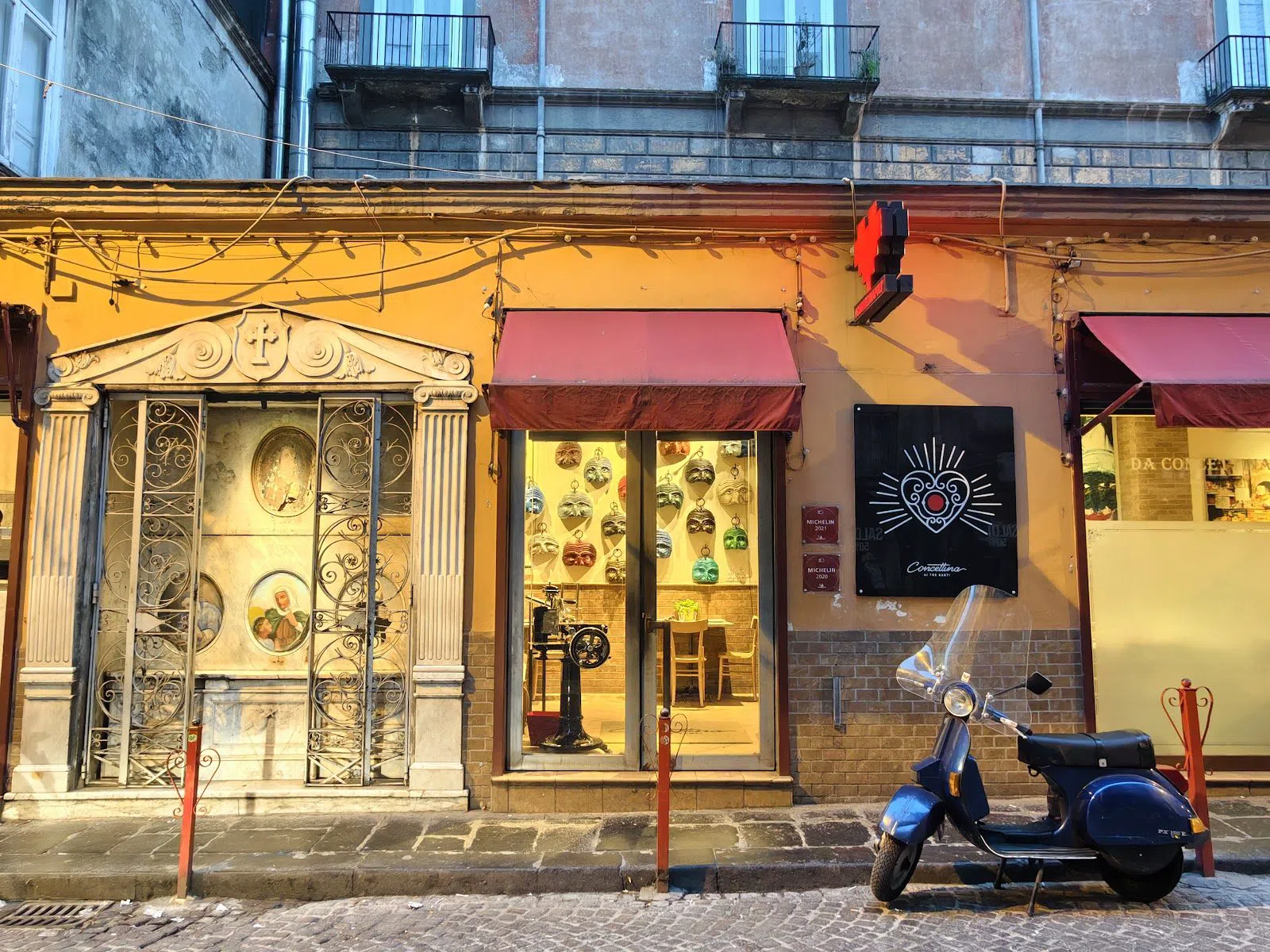
Up in the Sanità, the district's fourth-generation pizzaiolo Ciro Oliva runs Concettina ai Tre Santi (Sanità), a gourmet and socially-minded pizzeria that is small, reservation-driven, and can run both pricey and slow at peak. Expect creative toppings and, on the tasting menus, prices well above the norm — think €12–20 and up. Book well ahead, and manage your own expectations on wait and cost: this is pizza as fine dining, and it will not be rushed. A booked group is fine; a spontaneous crowd is not.
For many Neapolitans the city's finest pizza is made away from the tourist trail by Enzo Coccia at Pizzaria La Notizia (Fuorigrotta). It is a sit-down, reservation-friendly room — calmer than anything in the centre — that rewards serious eaters willing to make the trek. At around €8–14 it suits a booked group of pizza pilgrims who care more about the craft than the postcard backdrop. If you only have time for the famous names, skip it; if you have a spare evening and real interest, do not.
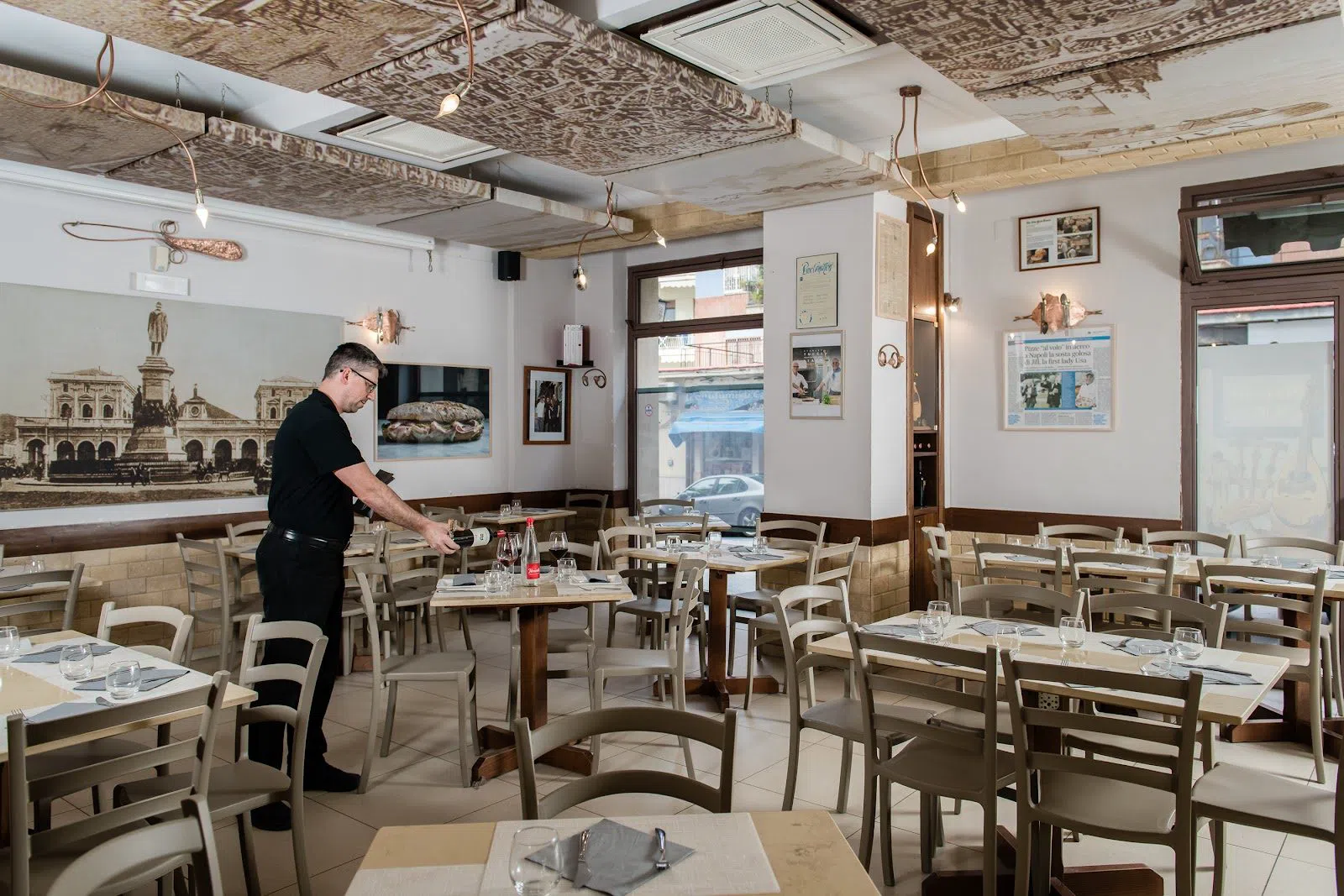
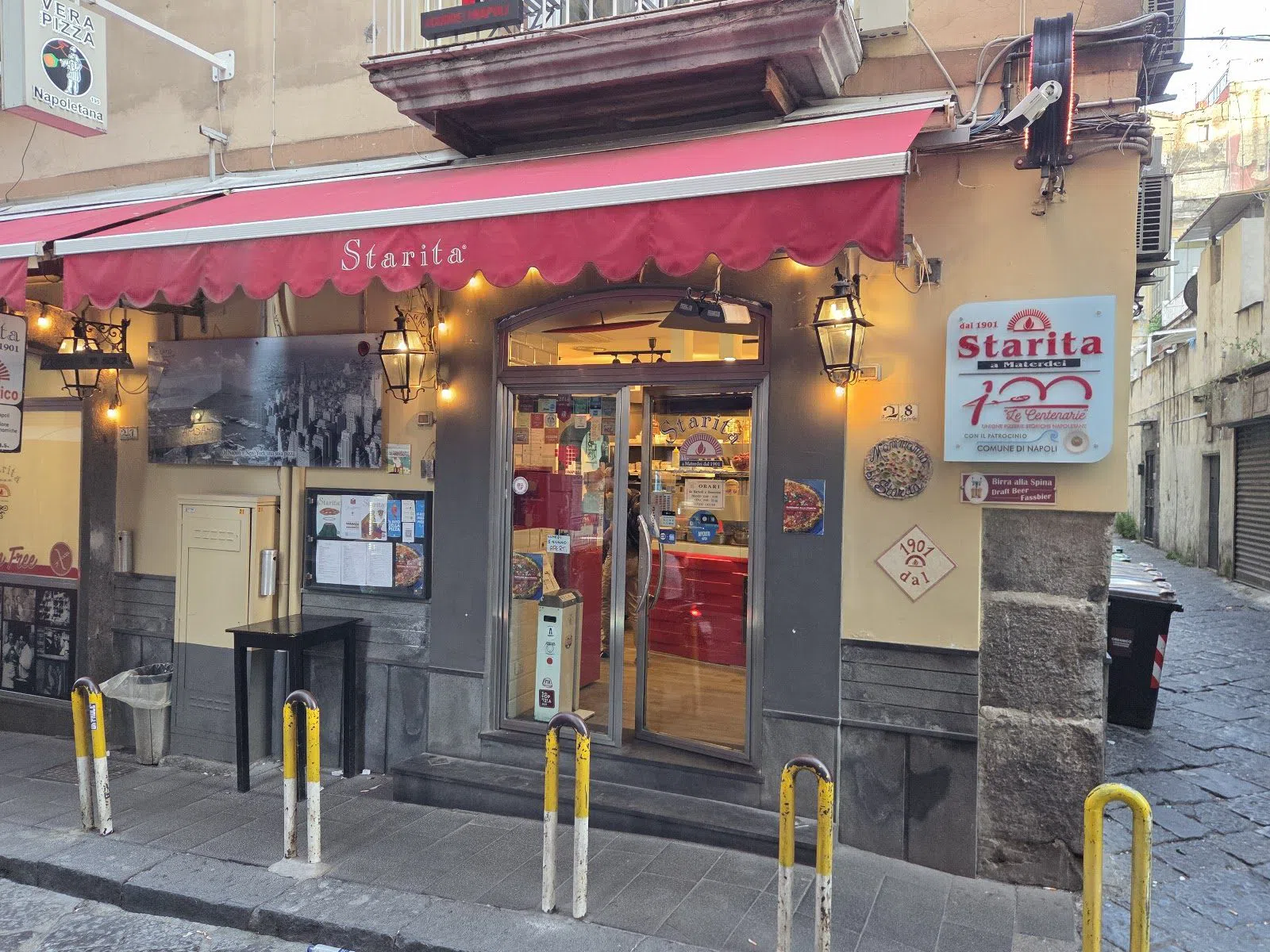
On the quieter Materdei hill, Pizzeria Starita a Materdei is sizeable and takes reservations, which makes it a rare thing: a genuinely historic pizzeria that can also seat a group in comfort. It is where Sophia Loren's character sold pizza in the 1954 film L'Oro di Napoli, and the montanara — a fried dough round topped and finished in the oven — is the signature starter. Prices sit around €6–11. A dependable group choice with real heritage.
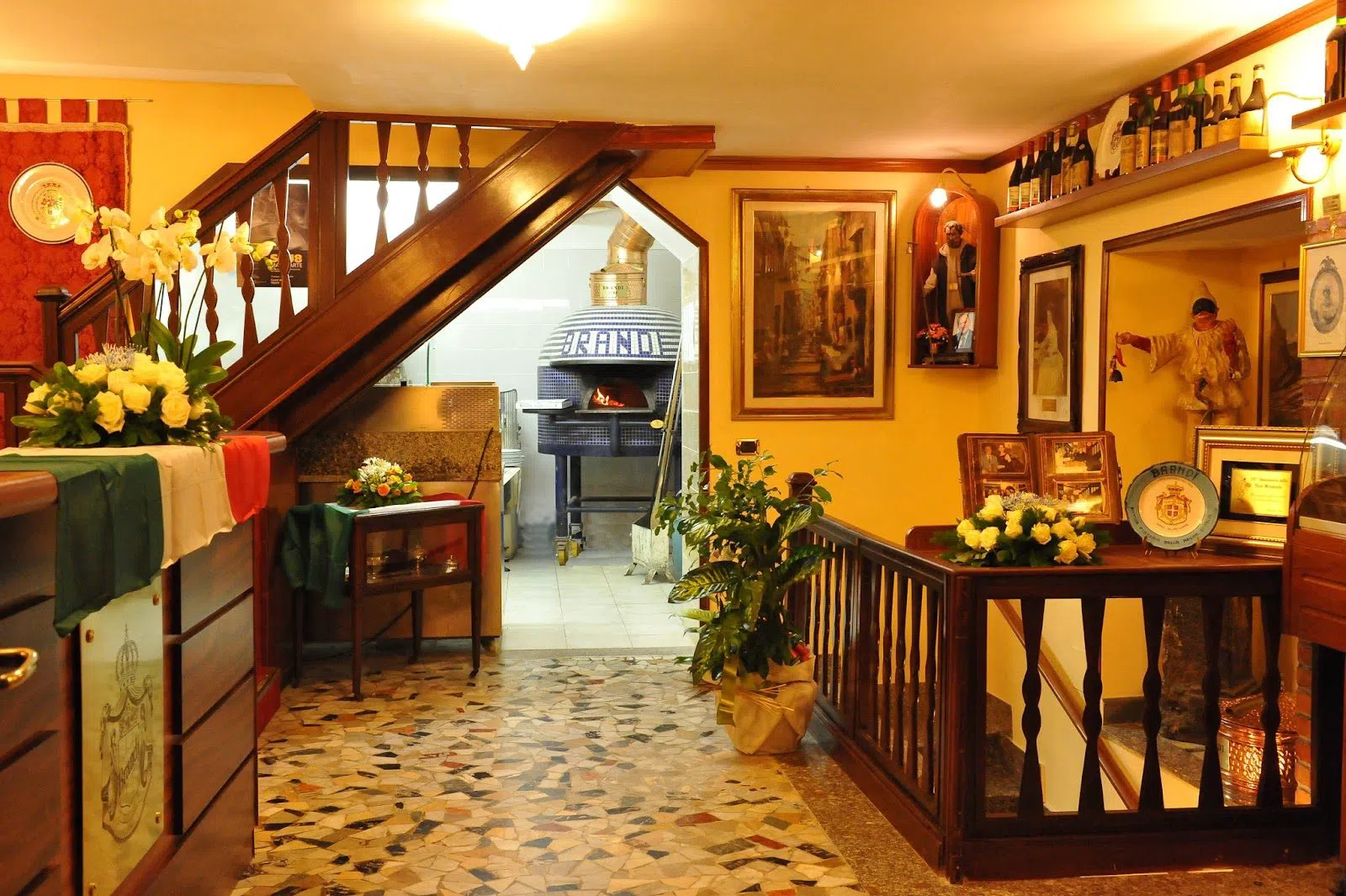
Finally, Pizzeria Brandi (Chiaia), tucked off Via Chiaia near Piazza Trieste e Trento, is the oft-cited birthplace of the Pizza Margherita, said to have been created here in 1889 for Queen Margherita of Savoy. It is more a proper sit-down restaurant than a street pizzeria — it takes reservations and groups, and offers table service the others do not. It is also more touristy and pricier, roughly €9–15. You are paying partly for the origin story, but the origin story is a real part of the craft's history, and for a group wanting a seated dinner with a plaque on the wall it earns its place.
Groups, couples, and the door
The single most useful thing to know is that door policy, not quality, should shape your itinerary. If you are two people, the shrines reward you: da Michele, Da Attilio, and the upstairs at Di Matteo are made for pairs who will wait. If you are a group of six or more, do not fight the no-reservation rooms — go to Trianon da Ciro in the centre, or book 50 Kalò, Starita, La Notizia, or Brandi, all of which will seat you without a scrum. Concettina ai Tre Santi will take a booked group but not a walk-in crowd, and costs accordingly. For anything on the move, the fried-pizza windows — Zia Esterina, La Masardona, and the street counters at Di Matteo and Dal Presidente — feed a crowd cheaply with no table required.
Practical notes
Getting around. The historic-centre pizzerias cluster around Via dei Tribunali and Forcella, walkable from Napoli Centrale and the Metro Line 1 stops at Duomo and Dante. Materdei and the Sanità have their own Line 1 stations; 50 Kalò is near Mergellina (Line 2 / Cumana); La Notizia in Fuorigrotta is the one real trek, best reached by metro or taxi. Central pockets like Forcella can feel chaotic — keep your bag in front of you and your phone away.
Cash. Bring some. The oldest and cheapest places, and all the street windows, are cash-first or cash-only, and a Margherita plus a drink rarely troubles €10. Card acceptance is better at the newer and gourmet rooms.
Timing. Neapolitans eat late; the no-reservation shrines are quietest right at opening for lunch (around 12:00) and dinner (around 19:00–19:30). Arrive then to skip the worst of the queue. Sundays and the height of summer are busiest.
Budget. A whole evening of pizza here is one of the great cheap pleasures in European travel: €5–11 buys a serious pizza at almost every historic pizzeria, with the gourmet rooms and tasting menus the only places that push into restaurant territory.
For where to sleep between meals, start with a Naples hotel search; for the wider city — its churches, its coast, its underground — see our full Naples guide. Come for the craft, respect the queue, and let the city settle its own arguments about who does it best.
Before you go
Which Naples pizzerias take reservations?
The historic-centre shrines (da Michele, Sorbillo's Tribunali branch, Da Attilio) generally do not — you queue and take a number. For bookings, go to 50 Kalò, Pizzaria La Notizia, Starita a Materdei, Pizzeria Brandi, or Concettina ai Tre Santi, all of which reserve tables and are far better for groups.
Where should a large group eat pizza in Naples?
In the old centre, Pizzeria Trianon da Ciro near Piazza Garibaldi is the roomiest walk-in option. Otherwise book 50 Kalò, Starita, La Notizia or Brandi, which all seat groups comfortably. Avoid the tiny no-reservation rooms like Da Attilio with a big party.
What is pizza fritta and where do I try it?
Pizza fritta is deep-fried stuffed dough, an older and cheaper Neapolitan tradition than the wood-oven pizza. Try it at La Masardona near the station, at the Zia Esterina Sorbillo window, or from the street counters at Di Matteo and Dal Presidente. Most cost €4.90–9.
How much does a pizza cost in Naples in 2026?
At the historic pizzerias a Margherita runs roughly €5–11, making a full pizza dinner one of the cheapest serious meals in Europe. New-wave and gourmet rooms cost more, from about €8 up to €20-plus for tasting menus at Concettina ai Tre Santi.
Which pizzeria is the birthplace of the Margherita?
Pizzeria Brandi in the Chiaia district is the most commonly cited birthplace, where the Margherita is said to have been made in 1889 for Queen Margherita of Savoy. It is more of a sit-down restaurant than the street pizzerias, takes reservations, and is pricier and more touristy.