
In August 79 AD, the people of Pompeii and Herculaneum had no warning system, no evacuation route, and roughly eighteen hours between the first tremors and the pyroclastic surge that ended everything. Today the warning system runs the other way: a countdown clock on a booking page, a 20,000-visitor daily cap, and a line of coaches idling outside Porta Marina by 9:45am. The dilemma facing anyone planning a single day among the ruins in 2026 isn't which site matters more — it's how to see any of them properly before the tour groups arrive.
The myth: you need a combo coach tour to do this in a day
Every competitor listicle for Naples pushes the same product: an all-in coach that collects you at your hotel at 7am, herds you through Pompeii for ninety minutes, feeds you a middling buffet lunch, and drops you at the crater rim for a photo before running back to the port. It works, in the sense that you'll have "done" Vesuvius. It also puts you inside the exact crowd this piece exists to help you avoid — the 10am-to-1pm surge that fills every path, every doorway, every shaded strip of wall in Pompeii at once.
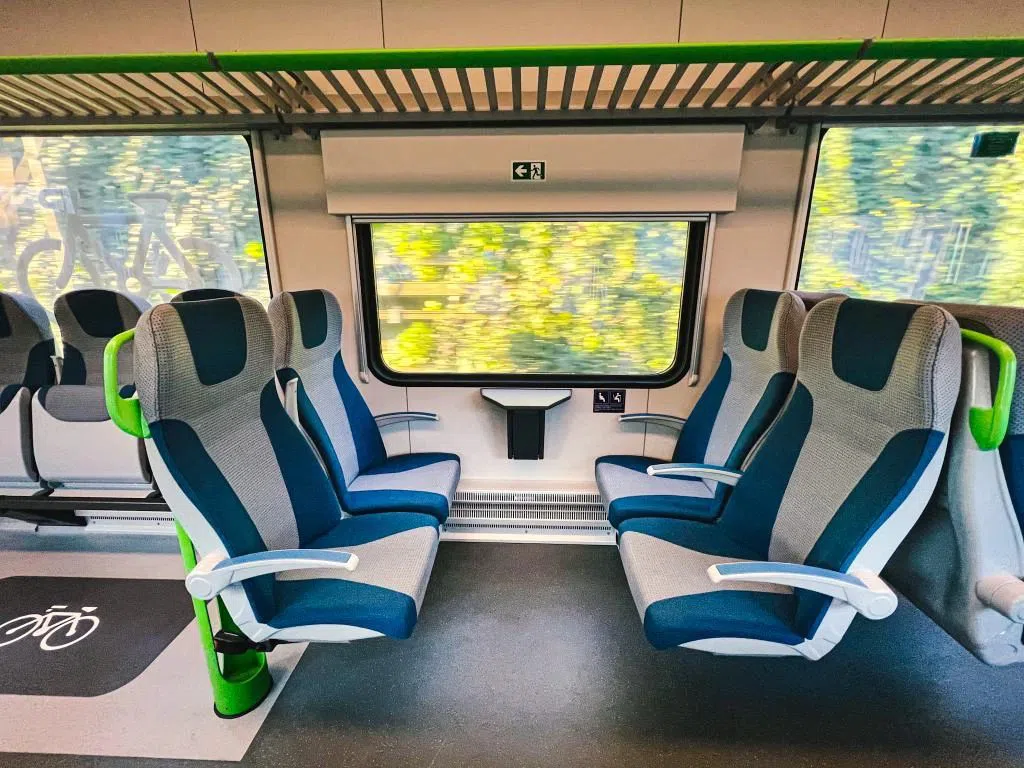
The honest budget alternative is the EAV Circumvesuviana — the regional train that runs along the bay through Ercolano, Torre Annunziata and Pompei, no group booking required, no coach fee attached, €2.60–3.30 per leg. It gets standing-room-only at peak times, which is its one real downside, but it puts you at Herculaneum's gate or Pompeii's Porta Marina on your own schedule rather than a tour operator's. Pair it with the Vesuvio Express shuttle — an Ercolano-based service running scheduled departures every 30–40 minutes up to the crater car park, with shuttle-plus-park-entry combo tickets typically €20–25 — and you've built your own Pompeii-Herculaneum-crater day for under €20 in transport, timed however you like.
Pompeii: the site you can't skip, and the two hours that make or break it
Pompeii Archaeological Park (Scavi di Pompei), just off Porta Marina in the town of Pompei, is not a site you talk yourself out of — 66 hectares of an actual Roman city, frozen mid-morning on an ordinary day in 79 AD, is the reason most people fly into Naples in the first place. It's also, unavoidably, the site every cruise-ship excursion and coach tour is built around, and between 10am and 1pm it shows: queues at the ticket gates, groups stacked three-deep around the House of the Faun and the Forum, guides talking over each other in half a dozen languages.
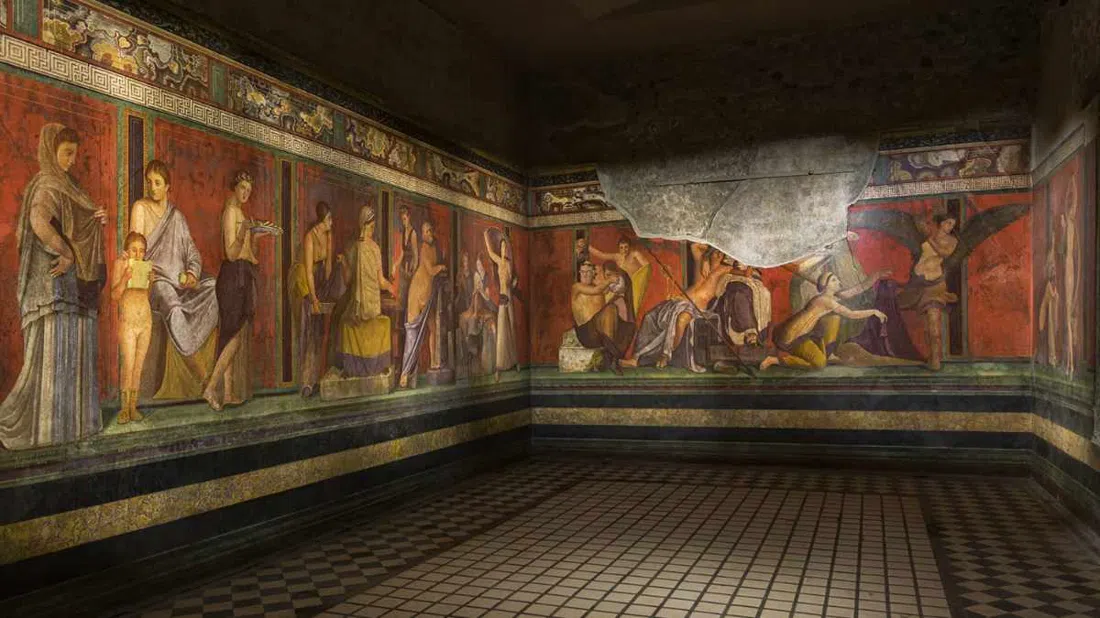
The park has actually done something about this since the pandemic years: tickets are now nominative and timed, and a hard cap of 20,000 visitors a day applies. That cap is the real crowd-control mechanism, and pre-booking against it is the actual trick — not a route or a shortcut inside the site, just picking a slot the coaches don't want. Book the 9am opening entry, before the buses have cleared the port, or one of the last two entry slots before close, when the day-trippers have already been herded back onto theirs. A standard adult ticket is €18; if you're planning to see Herculaneum the same day, the combined Pompeii + Herculaneum ticket is worth buying at the same time rather than queuing twice.
Herculaneum: the site that proves the "better preserved" claim
Herculaneum Archaeological Park (Ercolano Scavi), in the modern town of Ercolano, is the part of this dilemma most travel writing gets backwards. It's routinely filed as Pompeii's smaller, secondary cousin — worth an hour if you have one spare — when the more useful way to think about it is the other way round. Herculaneum was buried by pyroclastic flow rather than falling ash and pumice, which carbonised rather than crushed what it covered: wooden roof beams, doors, furniture, even food, none of which survive at Pompeii in anything but plaster-cast outline. The site is a fraction of Pompeii's footprint, which means it absorbs a coach group less gracefully when one does turn up, but overall visitor numbers are so much lower that in practice you'll spend most of a visit with entire streets to yourself. Standard adult entry is €13, and it sits on the same combined ticket as Pompeii.
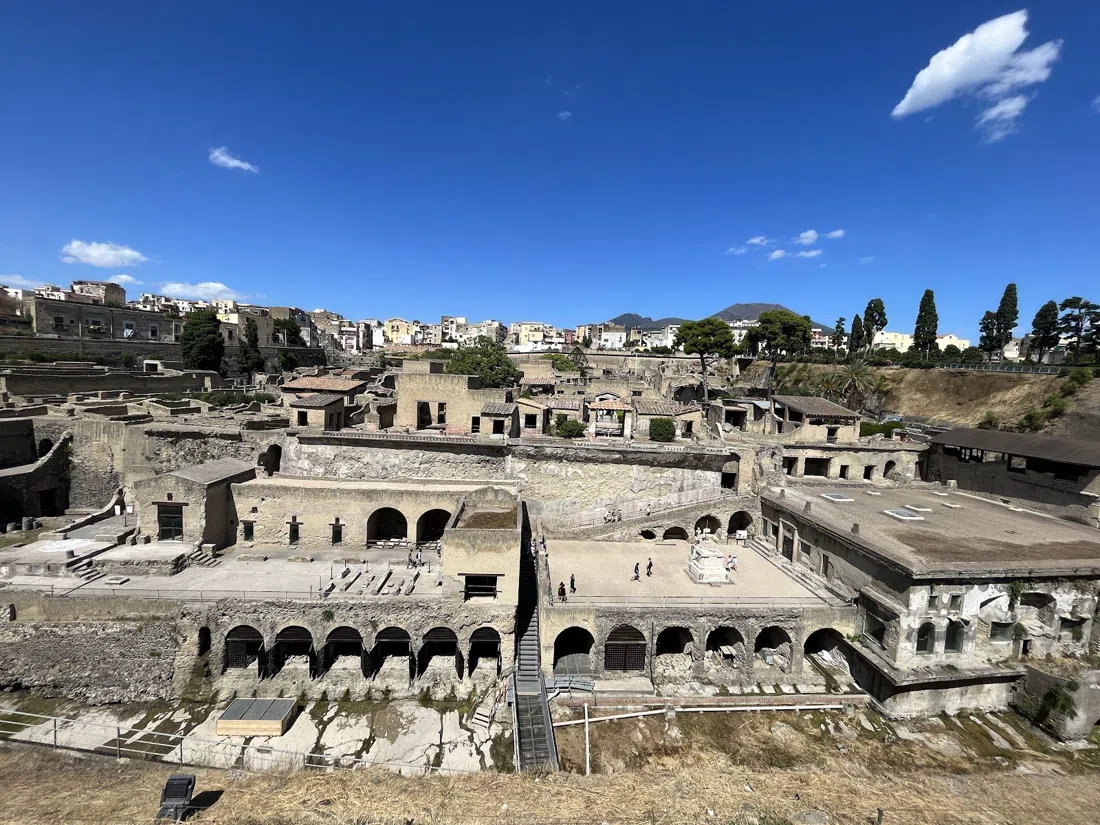
If your day only has room for one ruin, this is the site that rewards the smaller number of visitors it gets rather than the ground it covers.
The crater: booking the slot, not fighting the queue
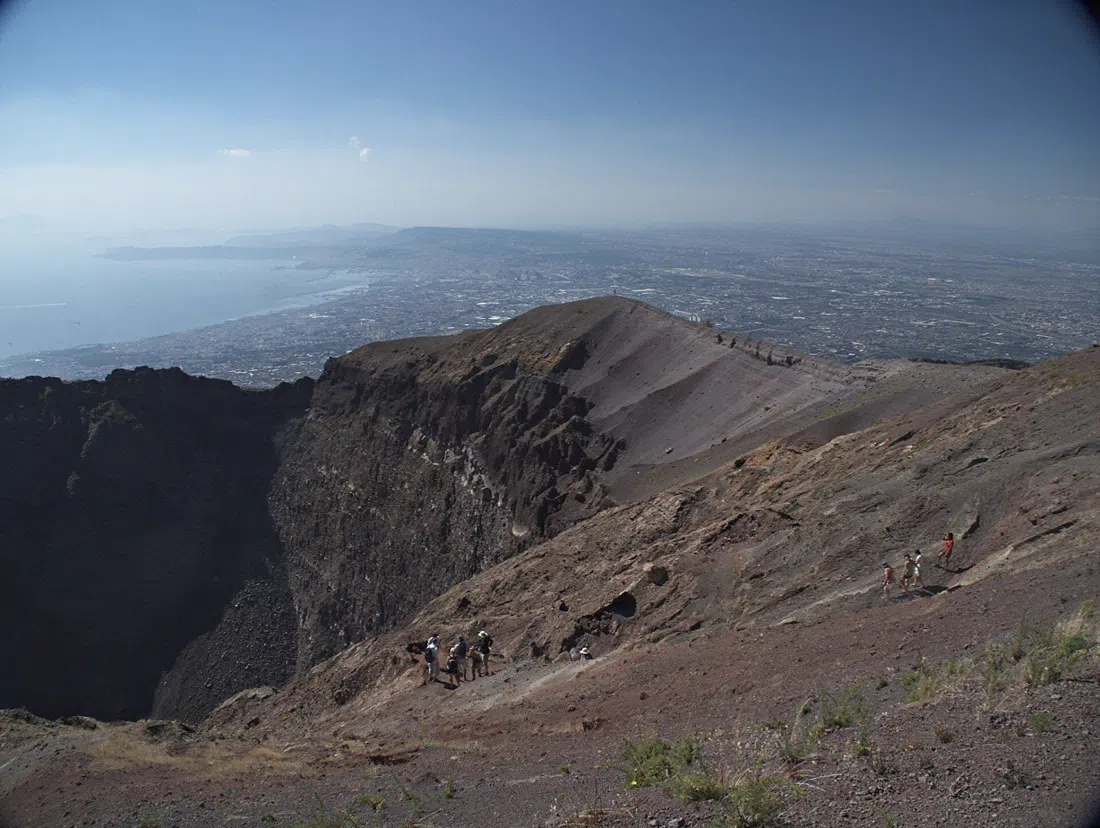
Vesuvius National Park — Gran Cono Crater Trail admits visitors in escorted batches of 20 every 10 minutes, up to 60 per interval, each group led by a volcanologist guide from the Vesuvius Observatory. Access is strictly online pre-booking only — there's no queue-jumping and no walking up without a slot — and the whole operation closes automatically the moment an orange weather alert is issued, so check conditions the night before rather than the morning of. Entry is €10 standard, €8 reduced.
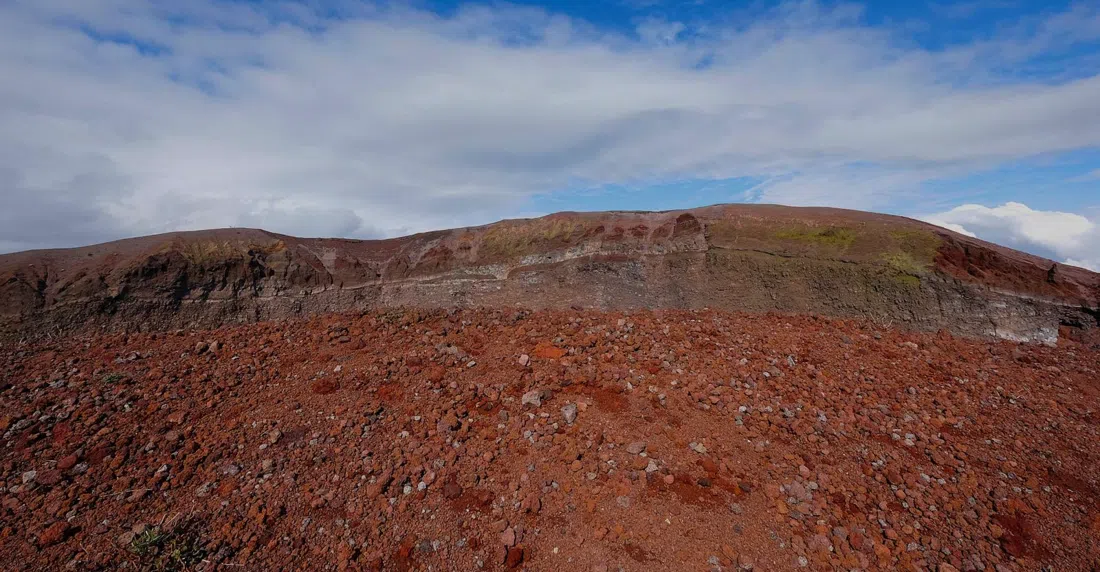
The batch system is itself the crowd control: because everyone on the trail arrived through the same 20-at-a-time gate, there is no version of the crater that feels like a free-for-all. The only real lever a visitor has is which batch to book — the first slot of the day beats the midday haze of tour groups, and the last slot of the afternoon has a similar, quieter light. Either way, get there by Vesuvio Express from Ercolano rather than as the tacked-on final stop of a coach tour running two hours behind schedule.
Sites the coach tours skip entirely
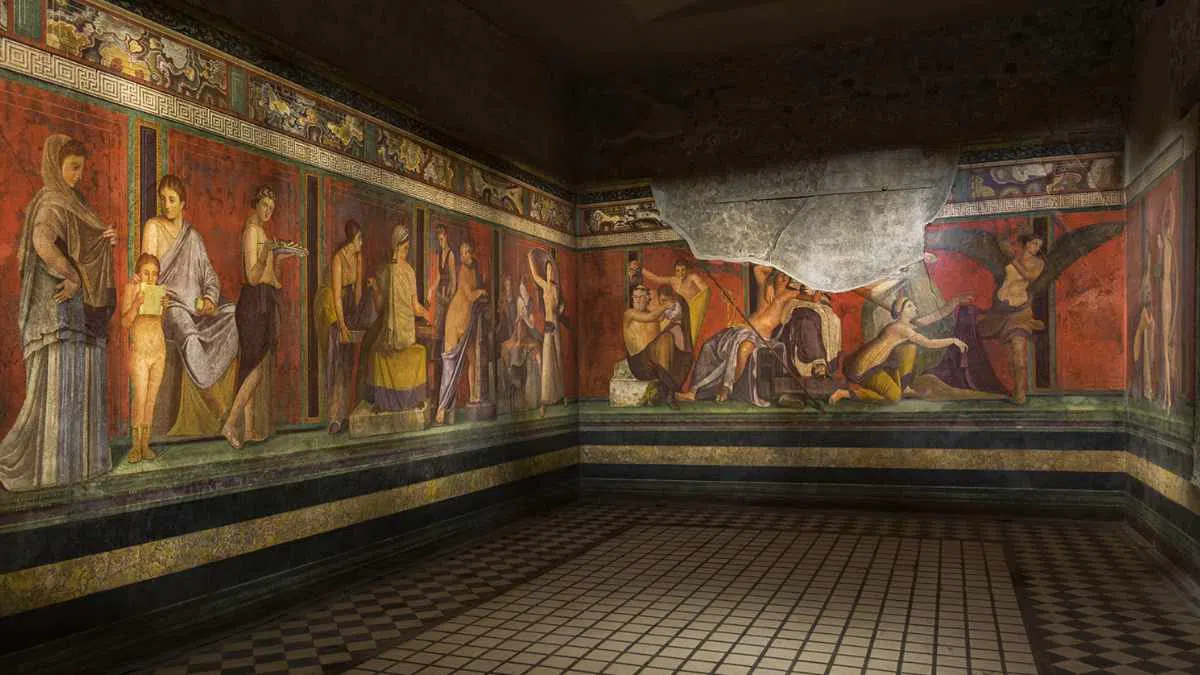
If Pompeii and Herculaneum are the two names every guidebook fights over, Oplontis — Villa Poppaea, in Torre Annunziata, is the one almost nobody mentions, and that's the point. It's part of the same official Pompeii site network, buried by the same eruption, and included on the combined Pompeii ticket (a standalone ticket runs about €10) — but it gets a handful of visitors at a time even in August. This was, by tradition, the seaside villa of Poppaea Sabina, Nero's second wife, and its frescoes are among the best-preserved Second Style wall painting anywhere on the bay. There's no equivalent, anywhere on this list, of standing in front of a fresco this good with nobody behind you.
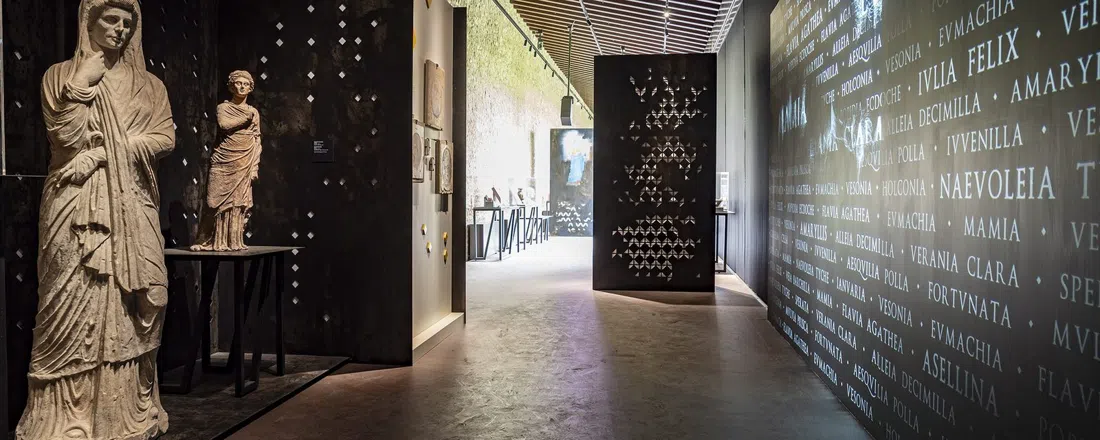
The Antiquarium di Boscoreale & Villa Regina, a short hop inland in Boscoreale, plays the counterweight to Oplontis's imperial luxury: a working farm villa and museum reopened after restoration and folded into the official park network, showing how ordinary agricultural households in the shadow of the volcano actually lived, rather than how a senator's wife decorated a summer house. Also on the combined ticket, standalone around €8, and just as low-footfall — the pick for a small group wanting an unhurried, guide-led hour rather than a jostle.
Context for a hot afternoon or a rained-off morning
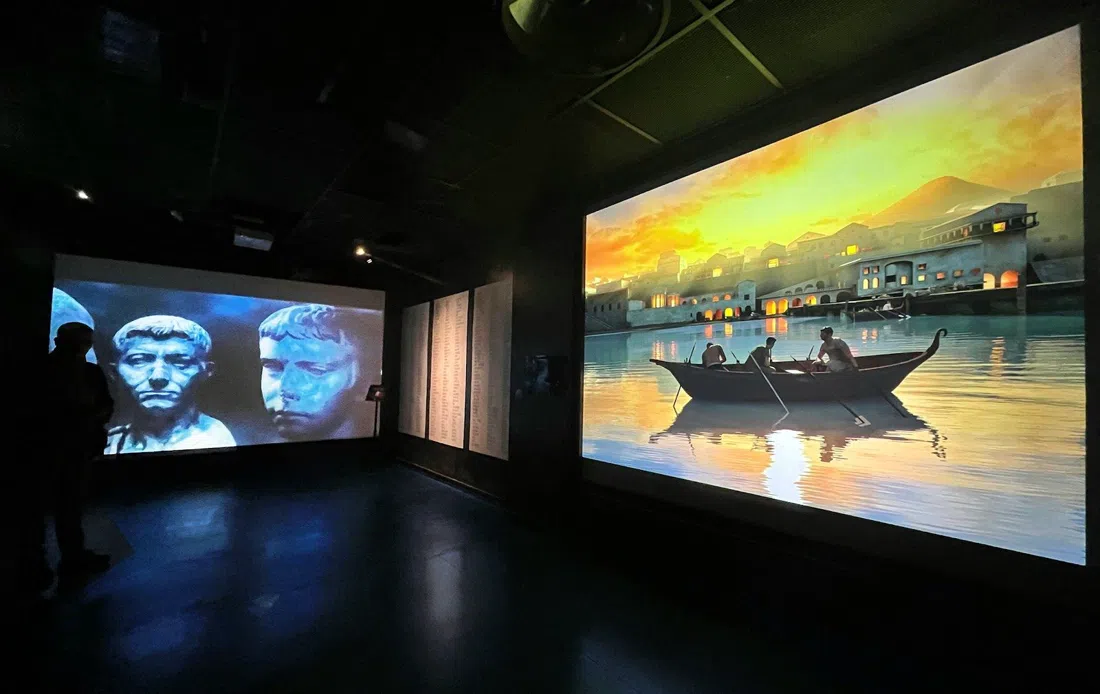
Not every hour of a Vesuvius day needs to be spent outdoors in ruins. The MAV — Museo Archeologico Virtuale, in Ercolano, is air-conditioned, indoor, and built for groups and families rather than solo archaeology obsessives — a combined museum-plus-3D-film ticket runs €10, with no timed-slot bottleneck to plan around the way there is at every outdoor site on this list. It's not a substitute for the ruins; treat it as context to bracket them with, before or after, not instead of.
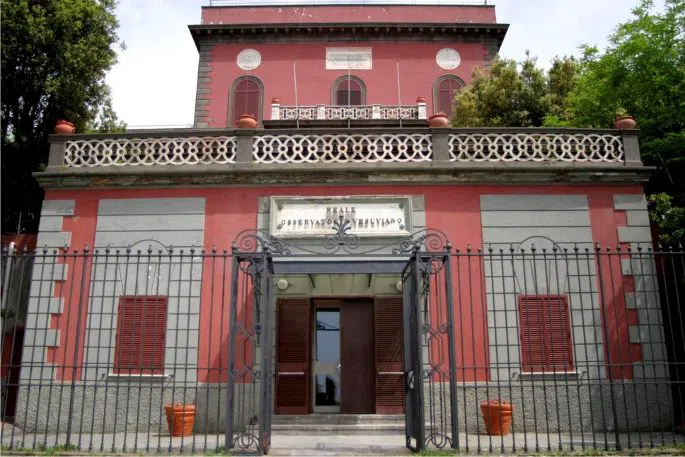
The genuinely under-visited pick, though, is the Osservatorio Vesuviano (INGV Museum), on the volcano's slopes — the world's oldest volcano observatory, still an active scientific institution, and free to enter. Tours run in small guided groups only, capped at 50 visitors a day across three shifts, in English and French as well as Italian. Most people who come to look at Vesuvius treat it purely as a photo backdrop; this is the place that quietly corrects that — where scientists actually monitor the mountain today, seismographs and all, and where almost no one thinks to look.
Coach tour or private guide: who each operator actually suits
If the point of this piece is escaping the cruise-ship coach model rather than the idea of a guide altogether, it's worth being specific about which operators actually deliver on that. Mondo Guide, a long-established Naples-area operator, runs shared small-group tours with a minimum of six participants alongside private options, and markets itself explicitly on licensed-archaeologist depth rather than scale — expect to pay roughly €60–90pp for the shared group format. Askos Tours works the same small-group model, capped low by design and staffed by trained archaeologists rather than generalist multilingual guides, at around €65–100pp, and is a sensible pick if you want one operator to pair Pompeii with either Herculaneum or Vesuvius on the same day rather than juggling separate bookings.
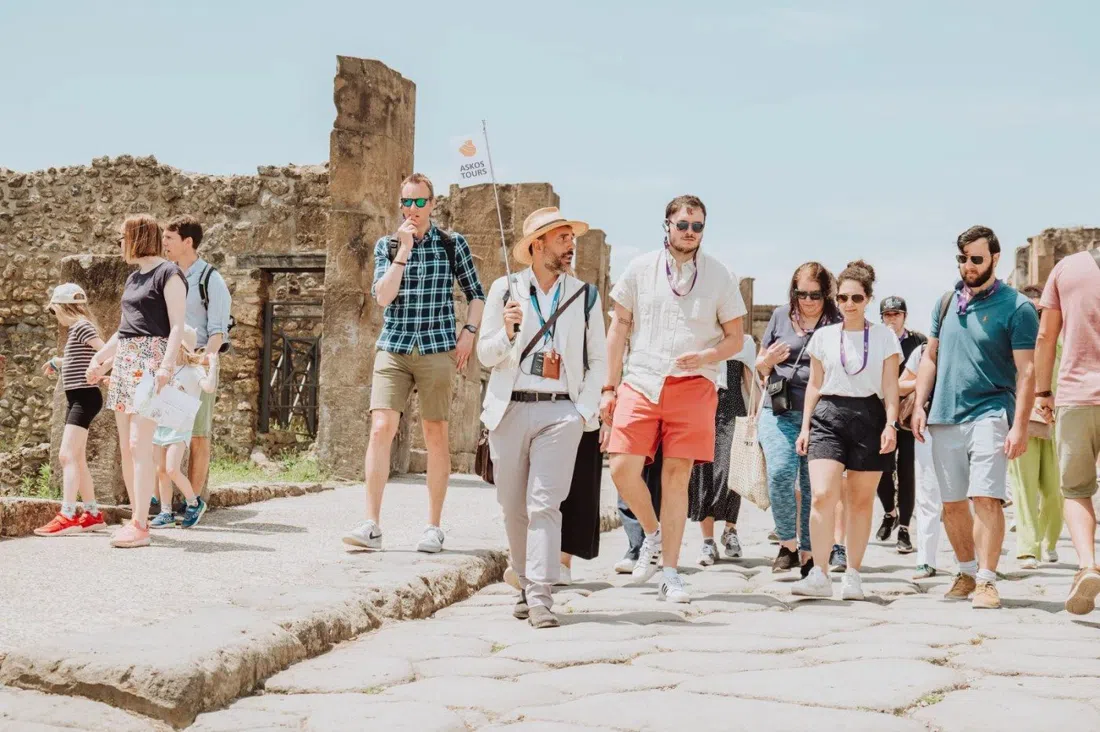
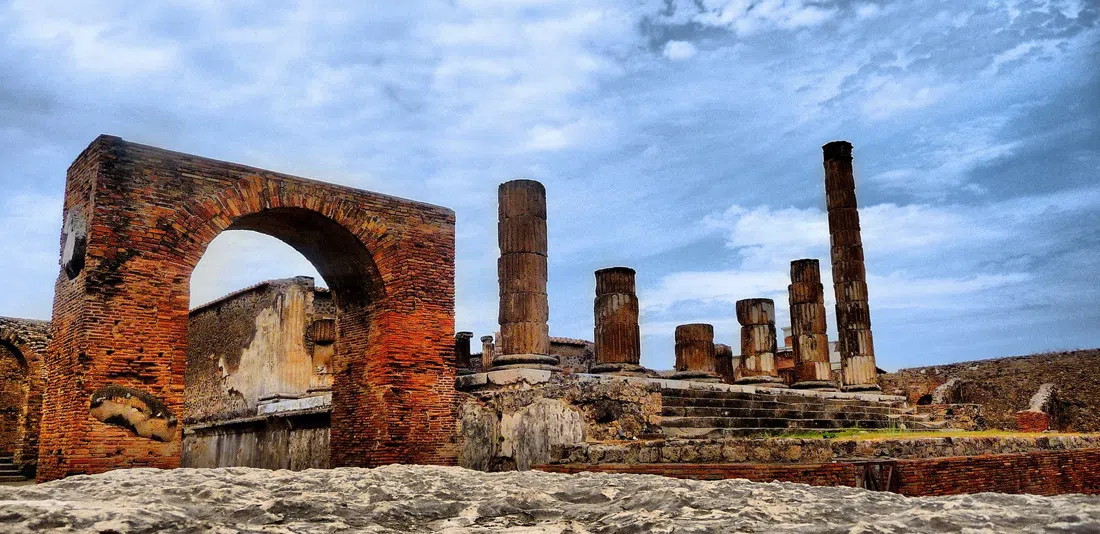
For couples or very small parties who want the opposite of a coach entirely, Pompeii tours by Gaetano & Ciro is a family that has guided Pompeii for four generations and takes private or very small groups only — pricing is on request, typically €250–400 for a small private group, but it buys a guide whose knowledge of the site is generational rather than seasonal. None of these three suit a solo traveller on a tight budget looking for the €20-a-head experience; for that, book your own tickets and go by train.

The afternoon pivot: wine instead of a second ruin
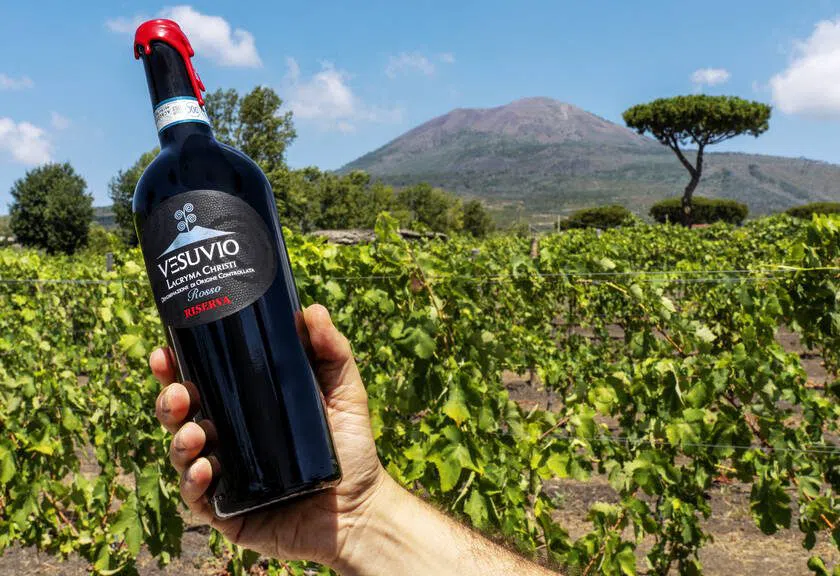
By early afternoon, most Vesuvius day-trippers are choosing between a third archaeological site and diminishing returns. Cantina del Vesuvio, on the volcano's slopes, is the better use of those hours: a working winery growing Lacryma Christi vines in the same volcanic soil that buried Pompeii, welcoming small groups and couples for vineyard walks and lunch tastings by reservation, with a free shuttle available from Pompei Porta Marina or Torre Annunziata station on request. Packages run €52–193pp depending on whether a full lunch is added to the tasting. It's not a ruin, and that's precisely its value at the end of a day that's otherwise been all stone and ash — a legitimate, unhurried reason to end somewhere other than a fourth timed-entry gate.
Getting it right: transport, cash, timing, budget
Base yourself where the trains are: Naples proper sits at the head of the Circumvesuviana line with the widest choice of onward services toward both Ercolano and Pompei, so it's worth running a Naples hotel search around a stop near Napoli Centrale or Garibaldi before locking in dates — it shaves real time off every leg of this trip. For the wider city beyond this one day, the Naples guide covers where to eat and stay across neighbourhoods.
Timing. Build the day around the 9am Pompeii slot or the last two hours before close — not both, unless Pompeii and Herculaneum are on separate days. A realistic single day is Herculaneum first thing, since it's smaller and won't eat the whole morning, the crater by mid-afternoon via Vesuvio Express, and Pompeii saved for its own day at opening. Cramming all three into one day works logistically but leaves no room for the two quiet sites — Oplontis and Boscoreale — which are the actual reason to read this far.
Booking. Reserve the crater slot and Pompeii's timed entry online in advance; neither is reliably available as a walk-up, especially in summer.
Cash. Carry small notes for the Circumvesuviana, the Vesuvio Express, and the smaller sites' ticket windows, which don't all take cards reliably.
Budget. A self-guided day — train, shuttle, and the combined Pompeii + Herculaneum ticket — runs under €50pp excluding food. Add a small-group guide and it moves to €120–190pp; a private family guide such as Gaetano & Ciro's outfit runs several hundred euros, but for a whole group rather than per head. Either way, it's a fraction of what a cruise-line shore excursion charges for the same three hours inside Pompeii's gates.
Weather. Check the forecast the evening before, not the morning of — an orange alert closes the crater trail automatically, with no rebooking on the day if it happens.