
Naples doesn't look at Vesuvius the way a tourist does. Ask anyone who grew up under it and they'll tell you it isn't scenery — it's family, the way a difficult relative is family: watched, argued about, occasionally feared, never ignored. The volcano feeds the soil under half the city's tomato sauce, it's quarried the tuff the old quarters stand on, and it's still, this year, being watched in real time by scientists a short drive from where you're reading this. Pompeii and Herculaneum get you the mountain's past. What follows is the mountain's present.
Standing on the Cone Itself
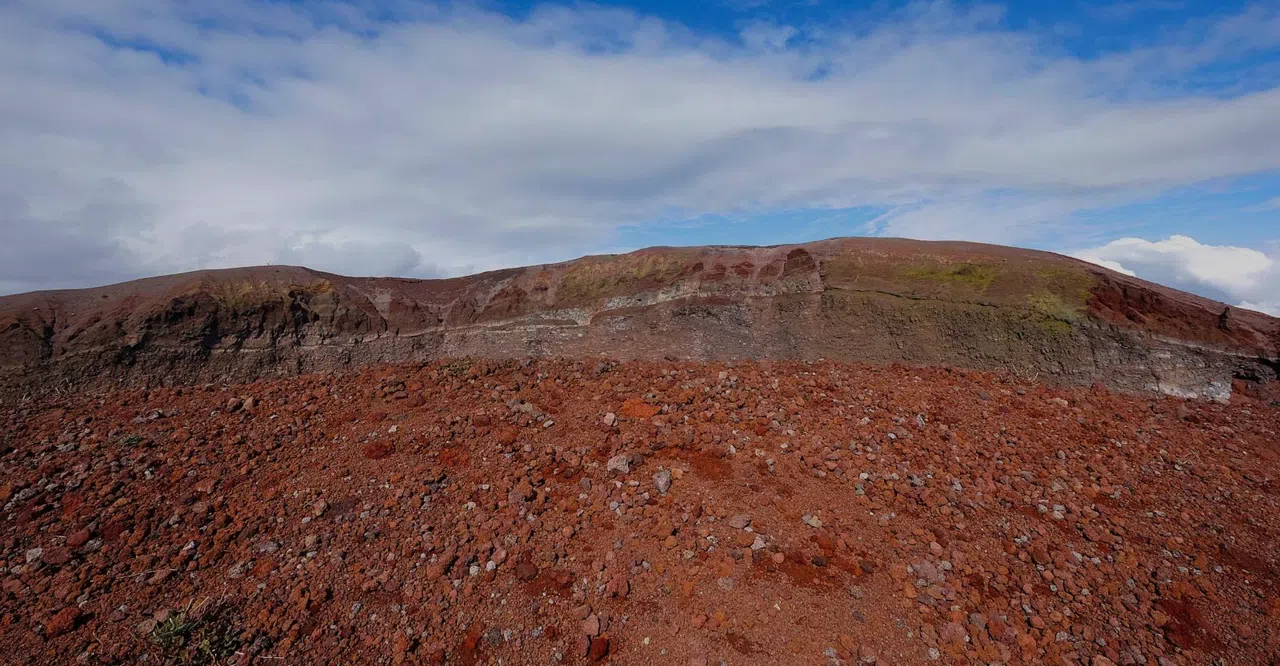
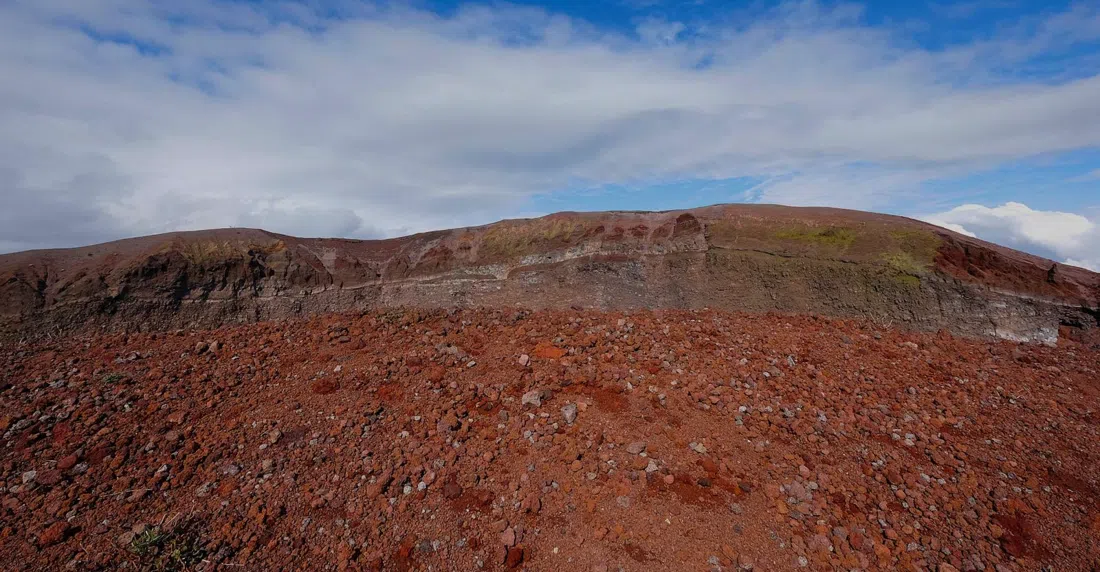
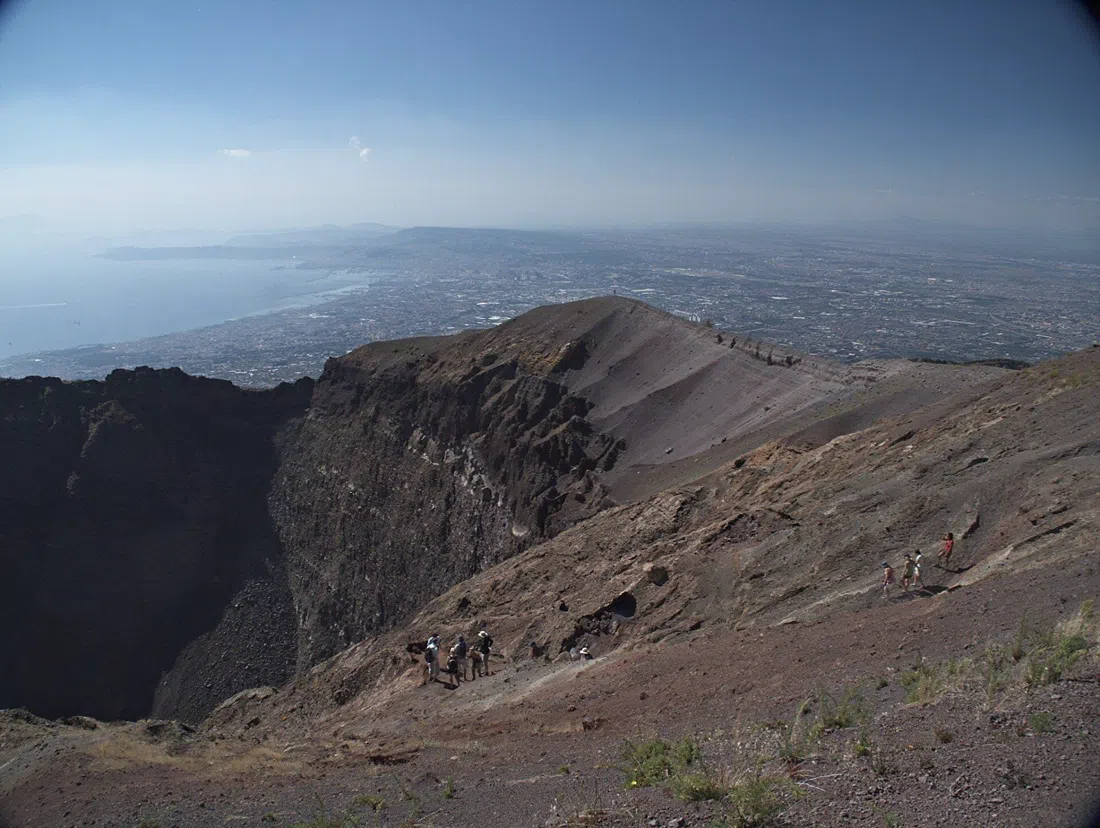
There's only one legal way onto the still-active summit, and it isn't a photo stop. The Gran Cono Crater Trail (Vesuvius National Park) is a roughly 45-minute climb along a switchback gravel path to the rim of the crater that last erupted in 1944 — close enough to smell sulphur on a still day, close enough to watch steam still rising from vents in the rock. Timed-entry tickets (around €12-13) are mandatory and must be booked online; in high season, especially July and August, slots sell out days ahead, so this is not a walk-up plan. Guides are available and worth arranging for larger groups, both for the geology and for pacing — the gravel is loose and the wind at the top can be sharp even in a Naples summer. Good boots, not sandals; this is still, technically, an active volcano, not a municipal park.
Getting there is its own small institution. Vesuvio Express (departing from outside Ercolano Scavi station) runs a minibus shuttle up the mountain roughly every 30-40 minutes, with no advance booking required for the bus leg itself — you buy on the spot and queue. A return ticket runs roughly €15-22, and the vans handle groups and families without fuss; it's the connective tissue nearly every visitor uses between the Circumvesuviana train line and the crater car park, from where it's a short walk to the ticket booth and the trailhead proper. Combine the two and you've got a half-day that starts in a Naples train station and ends looking down into an active caldera.
The Mountain Under Watch
What most visitors don't clock, hiking the cone, is that the volcano is being instrumented the whole time. The Osservatorio Vesuviano (Ercolano, on the mountain's lower slopes), founded in 1841, is the oldest volcano observatory in the world, and it is still, in 2026, doing its actual job — seismographs and monitoring equipment tracking the same mountain you just climbed. The INGV museum offers free guided visits in shifts of 10-25 people, well suited to groups and school parties, but booking is required by email ([email protected]) rather than a ticketing platform, so build in a few days' lead time. It's a quiet, unglamorous stop compared with the crater trail, and that's exactly its value: proof this isn't a dormant landmark being managed for tourism, it's a hazard being actively read.

Eating the Ash
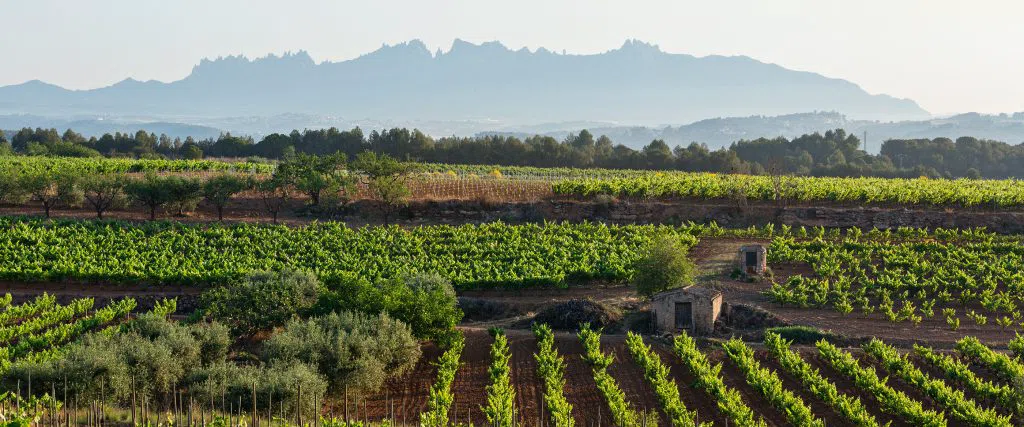
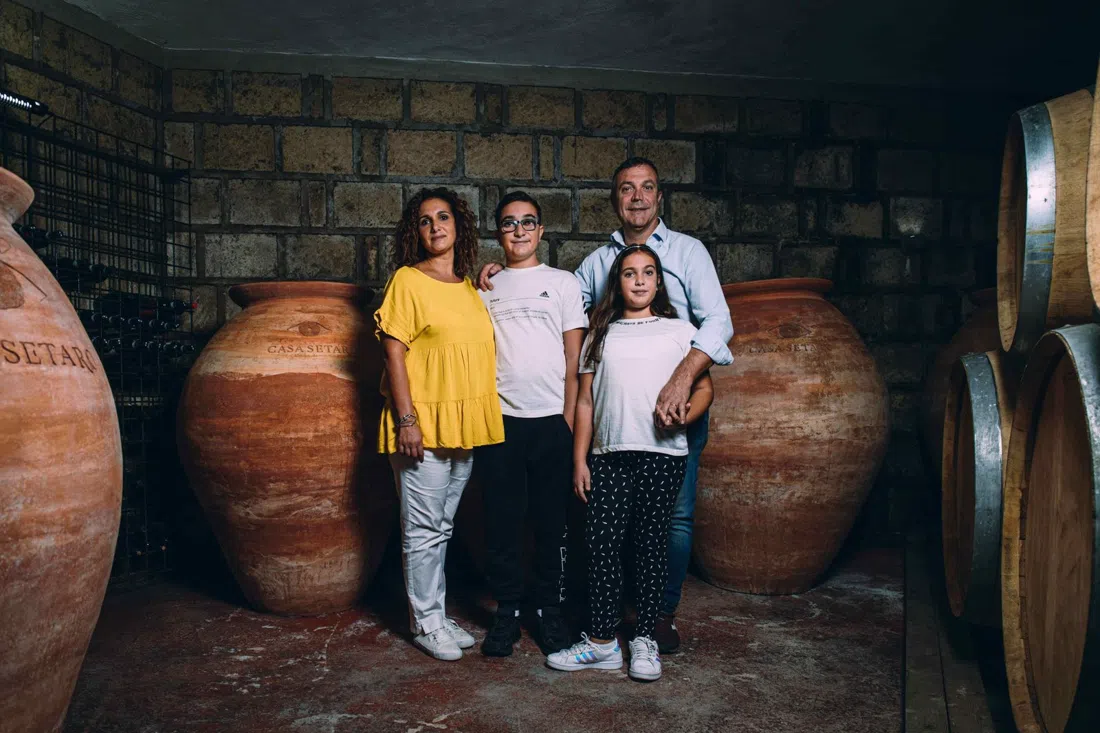
Neapolitans will tell you the volcano's real gift isn't the view, it's the soil — mineral-rich, well-drained, and responsible for some of the most distinctive food and wine in southern Italy. Casa Setaro (Trecase, inside the national park boundary) is a family estate that has been making wine literally within the park's borders since the early 2000s, working native Vesuvian grapes — Caprettone, Piedirosso, Falanghina — without chemical fertilisers. Tastings run from about €35 per person, and groups are welcome by reservation, with private lunches and cooking classes arranged on request; book ahead rather than turning up, as this is a working estate, not a tasting-room storefront.
A little further round the mountain, Cantina del Vesuvio (Boscotrecase) makes the volcano's best-known wine, Lacryma Christi, and — more unusually — a Pellecchielle apricot distillate from its own orchards. Daily tastings run 10:30-16:00, reservation required, and groups including private lunches are accommodated; expect €€, with tastings from roughly €25-40pp. Between the wine and the apricot brandy, this is the single best place to taste, literally, what volcanic ash does to fruit.
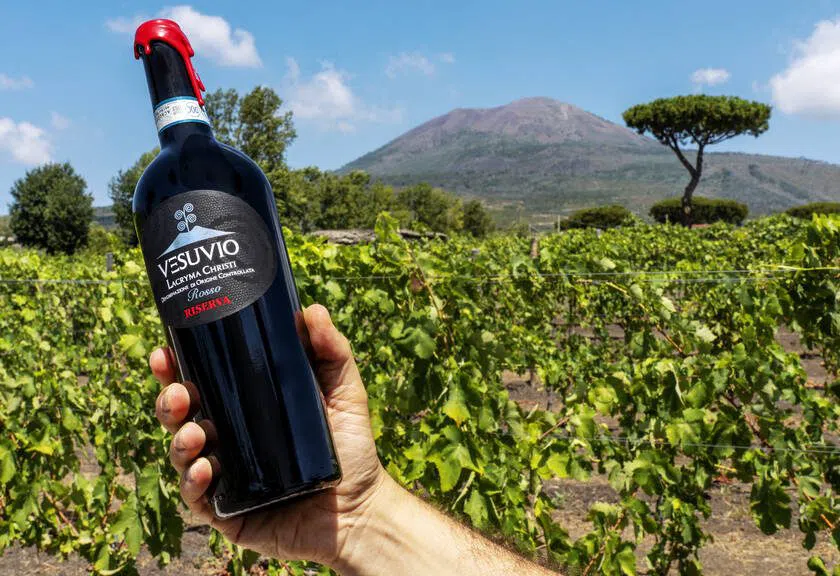
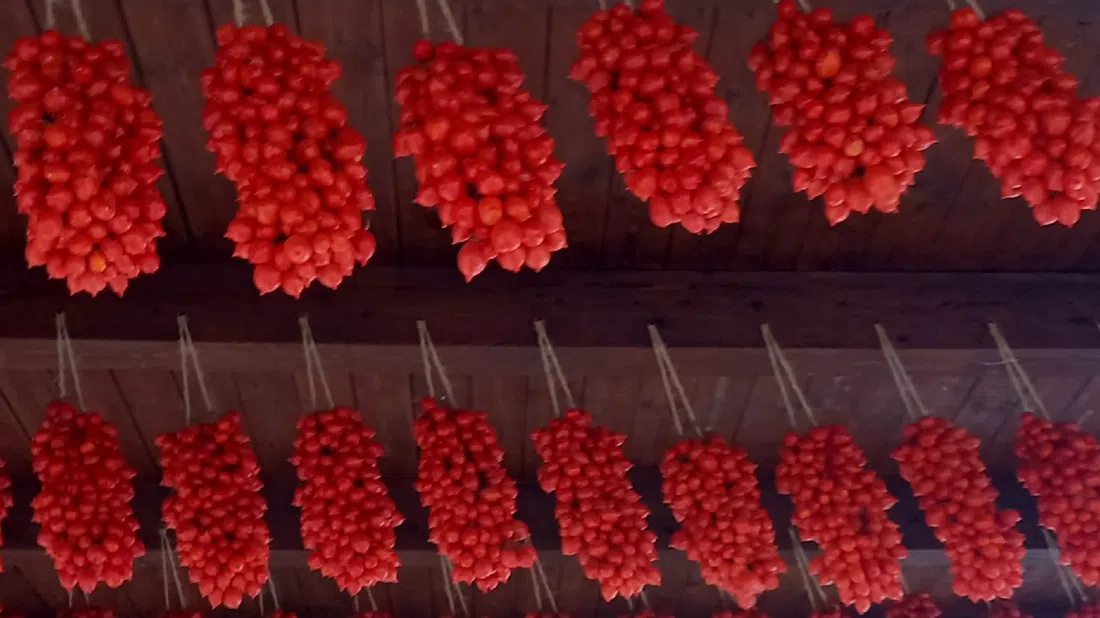
On Vesuvius's twin ridge, Monte Somma, Cantine Olivella grows organic vines alongside rows of the DOP piennolo tomato — the small, intensely sweet cherry tomato traditionally hung in bunches (a piennolo, in the local dialect — a "hanging cluster") to keep through winter. Vineyard walks and tastings are arranged for groups by booking, and seeing the tomatoes and the vines sharing the same volcanic rows makes a point better than any menu description could: one soil, two of Naples' defining flavours.
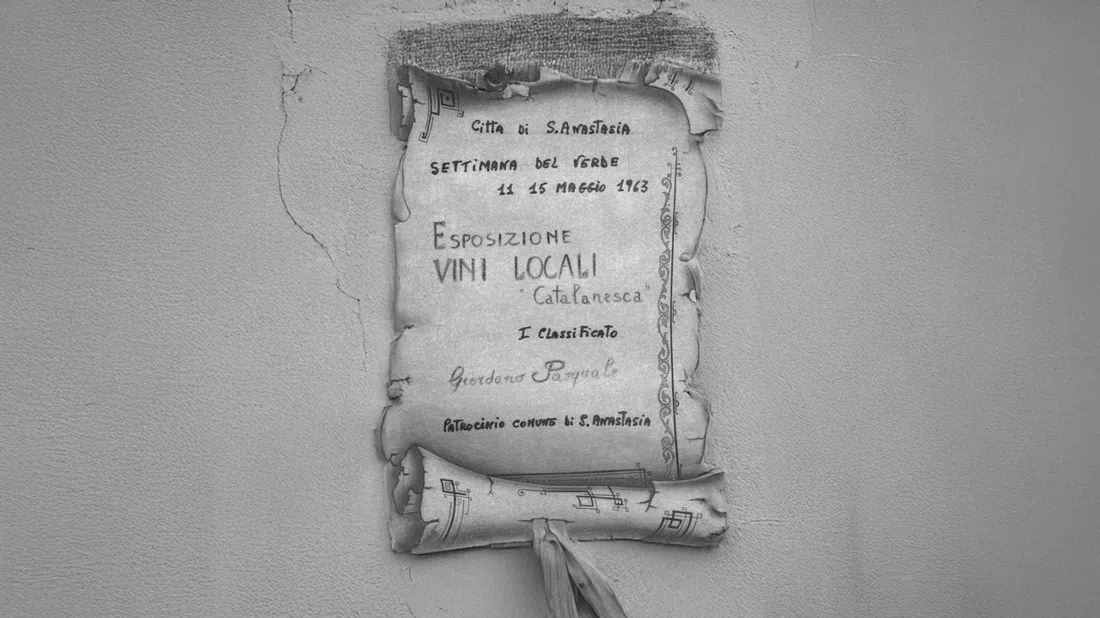
If you want the tomato without the vineyard, the Pomodorino del Piennolo del Vesuvio DOP farms run under the Consorzio di Tutela are small family operations scattered across the mountain's slopes; some members take pre-booked group visits, best arranged through the consortium rather than approached cold. Visits are free to modest cost, with tastings or purchases on-site. This tomato — under maybe half the pizzas and pasta dishes served in the city below — exists only because of this specific mountain's mineral soil; there's no substitute grown elsewhere that tastes quite the same, and Neapolitan cooks will not pretend otherwise.
For the fullest expression of all this on a plate, Ristorante President (Pompei, a short drive from the ruins) is where chef Paolo Gramaglia builds his Michelin-starred tasting menu directly from Vesuvian and ancient-Pompeian ingredients — dishes that reconstruct or reference what was grown and eaten here before AD 79 alongside what's grown here now. It's a five-table dining room, which tells you who it's for: couples and small parties rather than groups, and you should book well ahead, ideally weeks. Expect €€€€. This is not a casual stop after the crater trail — it's a destination in its own right, and the mountain is, quite literally, dinner rather than a view from the terrace.

The Eruption, Made Material
Two stops make AD 79 feel less like a plaster-cast tableau and more like an event that happened to real, specific people. MAV — Museo Archeologico Virtuale (Ercolano) uses immersive digital reconstructions to put you inside a Roman street or villa the instant before the eruption — daily life rebuilt, not just its remains. Timed entry costs roughly €9-14, and school and family groups are routine here; it's a good pairing for anyone travelling with children, since it explains the "why it matters" before or after a site visit rather than assuming prior knowledge.

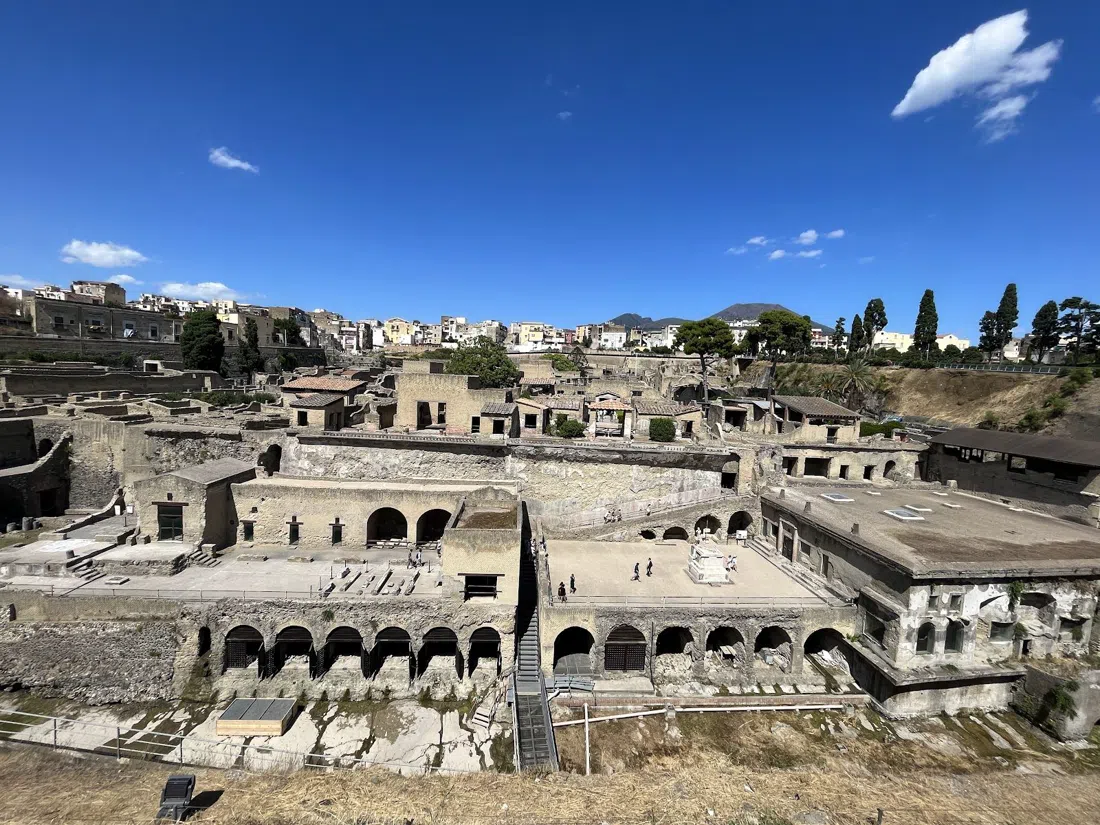
Nearby, the Herculaneum Archaeological Park — Boat Pavilion & Antiquarium (Ercolano) is the site's quieter, more visceral counterpart to Pompeii. Because Herculaneum was buried by pyroclastic flow rather than falling ash, it preserved organic material — wood, rope, carbonised food — that Pompeii lost. Timed-entry tickets run roughly €13-16 and large groups are well accommodated. Where Pompeii shows you the shape of the eruption, Herculaneum shows you its texture.
A City Quarried From the Mountain
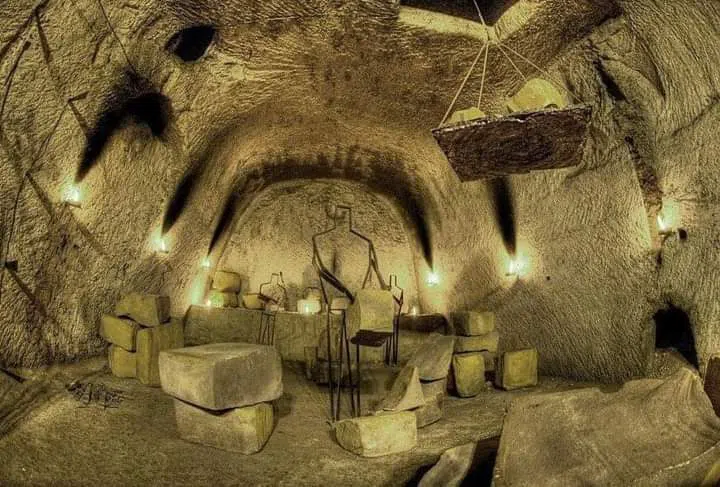
It's easy to think of Vesuvius as something Naples merely sits near. It doesn't — large parts of it are built directly out of the mountain's own volcanic tuff. Napoli Sotterranea (historic centre, near Piazza San Gaetano) runs hourly tours down into the tunnels, cisterns and quarries carved from that same yellow tuff, with private tours available for groups on request; tickets run around €15pp. Walking those passages, it stops being a metaphor: the stone under the historic centre's oldest streets is the mountain, extracted and stacked.
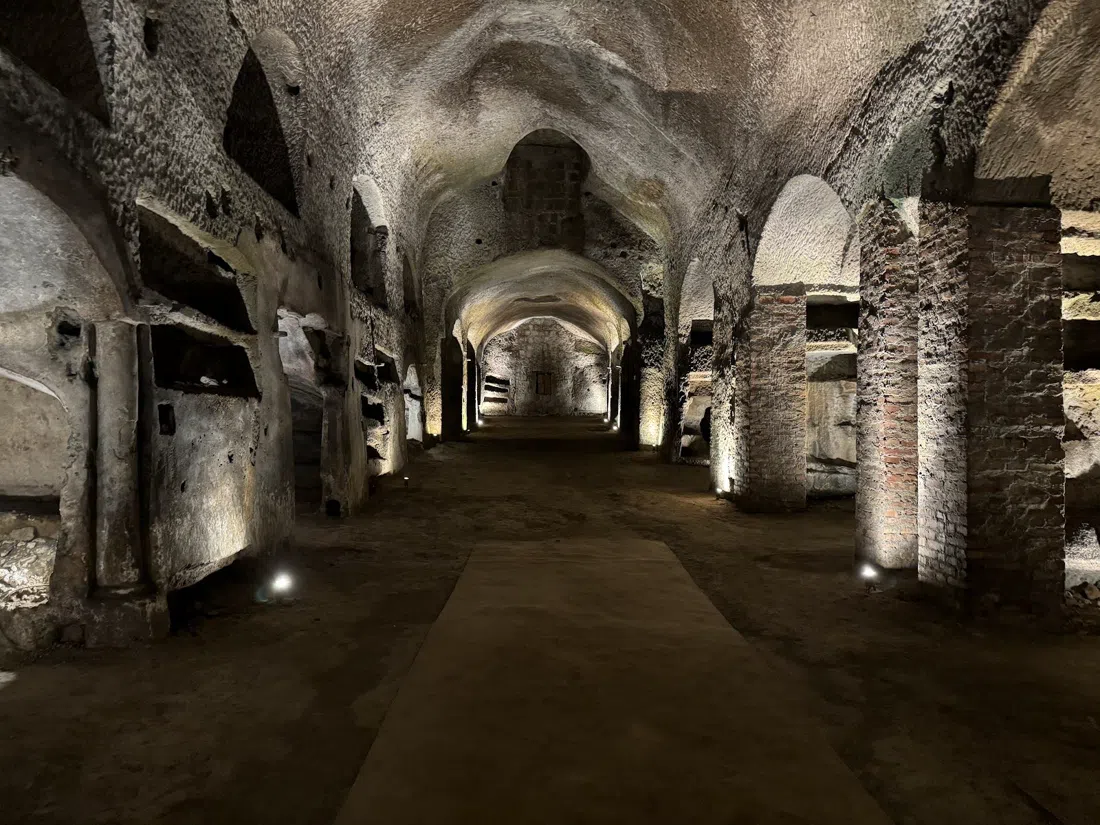
The same rock runs under the Catacombe di San Gennaro (Rione Sanità), an early Christian burial complex cut into the tuff shelf beneath the city and still tied to the saint Neapolitans credit, to this day, with holding the volcano at bay. Hourly guided tours welcome groups, booking recommended, at around €10pp — worth combining with the Sanità neighbourhood above ground, one of the city's most atmospheric and least touristed districts.
Faith as a Live Reading of the Volcano's Mood
Nowhere fuses geology and belief quite as directly as the Real Cappella del Tesoro di San Gennaro inside Naples Cathedral (historic centre). Three times a year, the saint's dried blood is said to liquefy in its reliquary — and Neapolitans still, genuinely, read a slow or failed liquefaction as an omen, historically associated in the popular imagination with periods of eruption or civic misfortune. Whatever you make of the miracle itself, the chapel is a serious piece of Baroque art and history in its own right. Paid timed entry runs roughly €3.50-8, groups are welcome outside Mass hours, and Mass itself suspends visits daily from 9:00 to 9:30 — plan around that window rather than into it accidentally.

The View Every Neapolitan Grows Up With
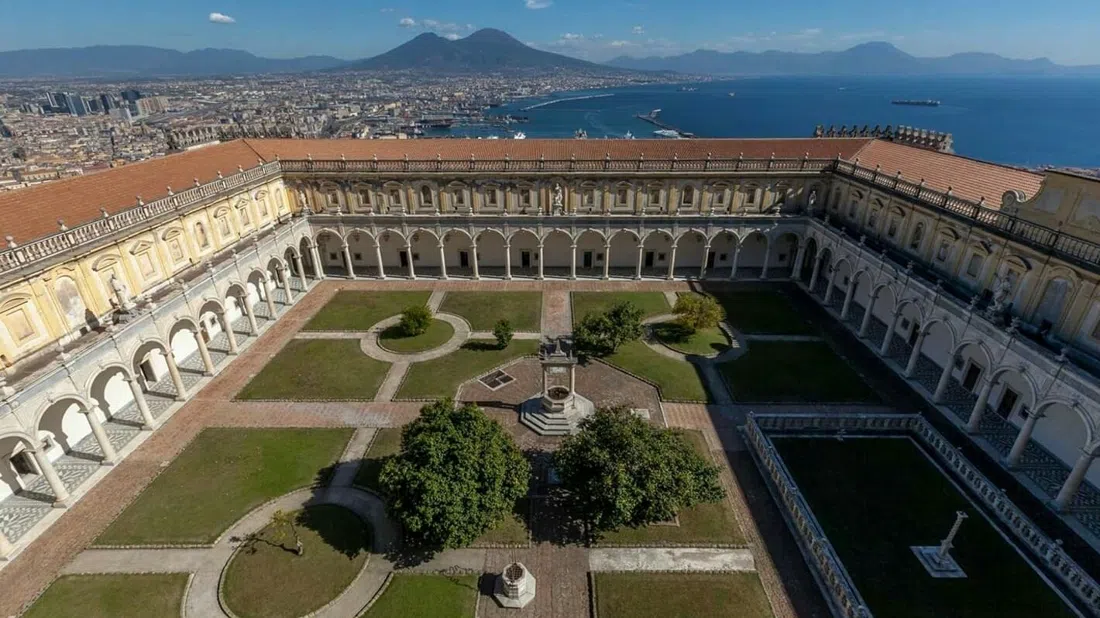
End, if you can, above the city rather than beside the mountain. The Certosa e Museo di San Martino (Vomero) is a former Carthusian monastery turned museum, open Thursday to Tuesday, with cloisters and terraces spacious enough for groups. Tickets run roughly €6-8. From its hilltop terraces, Vesuvius sits framed against the bay exactly as it has for every Neapolitan who's ever grown up looking at it from below — which is, in the end, the plainest way to understand what this whole article is arguing: the mountain isn't a day trip bolted onto a Naples holiday. It's the thing the city has been arranged around, definitively, for two thousand years.
Getting There, Cash and Timing
Base yourself in Naples proper and treat the volcano's sites as a set of half-day and day trips rather than one rushed itinerary — trying to do the crater, a winery lunch and an underground tour in a single day is how people end up resenting all three. The Circumvesuviana suburban railway from Napoli Centrale is the backbone: it stops at Ercolano Scavi (for the Vesuvio Express shuttle, MAV and Herculaneum) and continues on to Pompei. A rental car or a private driver makes more sense if you're combining wineries with the crater trail, since public transport between the vineyards and the summit is thin.
Carry cash. Family-run wineries, farm visits and some smaller museums either don't take cards at all or add a minimum spend for card payments, and the crater ticket booths can queue badly if a card machine goes down in high season. Book the Gran Cono crater tickets and any winery visit at least several days ahead between June and September; the observatory and DOP tomato farm visits need lead time regardless of season, since both run on email booking rather than instant confirmation.
Budget-wise, a realistic day combining the crater trail, the shuttle and a modest lunch runs somewhere in the €60-90 per person range before wine; add the tasting menu at Ristorante President and that figure changes entirely, appropriately, given what's on the plate. For where to sleep before or after, start with a Naples hotel search, and for the rest of the city beyond the volcano's shadow, the full Naples guide covers it.
The volcano isn't finished with Naples, and Naples has never pretended otherwise — visit it that way, as a live thing the city has built its whole life around, rather than as a postcard with a hiking trail attached.