
Naples
Naples is a city of raw, unfiltered intensity.
Guests & rooms
The Naples guide
An insider’s read on Naples
NNaples is a city of raw, unfiltered intensity.
Founded by the Greeks as Neapolis, the city has been shaped by waves of Norman, Spanish, French, and Bourbon rulers. This layered past is physically present in its architecture, which stacks baroque churches directly on top of ancient Roman theatres and Greek aqueducts. Neapolitans possess a fierce, distinct identity separate from the rest of the country, forged by centuries of foreign rule, economic isolation, and the constant, looming presence of Mount Vesuvius on the horizon.

PLATE INaples, Italy

Guides & ideas
The Naples reading list
Hand-written guides from our editors — itineraries, the best of after dark, where to eat, and what’s genuinely worth your time.
Naples Runs on Standing Espresso and the Sospeso Rule
How the city's daily coffee ritual works, bar by bar, from the grand cafés of the centro to the quiet counters of Vomero.
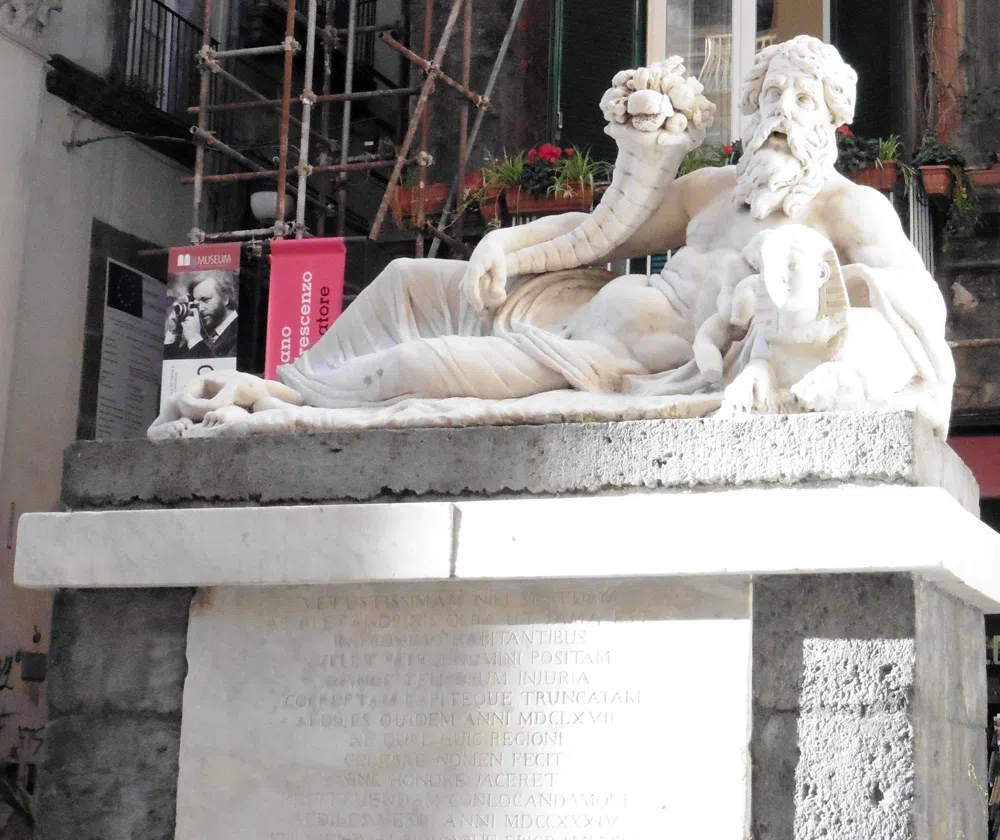
The Street That Splits Naples Into Two Cities
Spaccanapoli runs razor-straight through the old Greek grid, still dividing Naples into a devout, gilded east and a loud, working-class west: a guide to walking both sides properly in 2026.
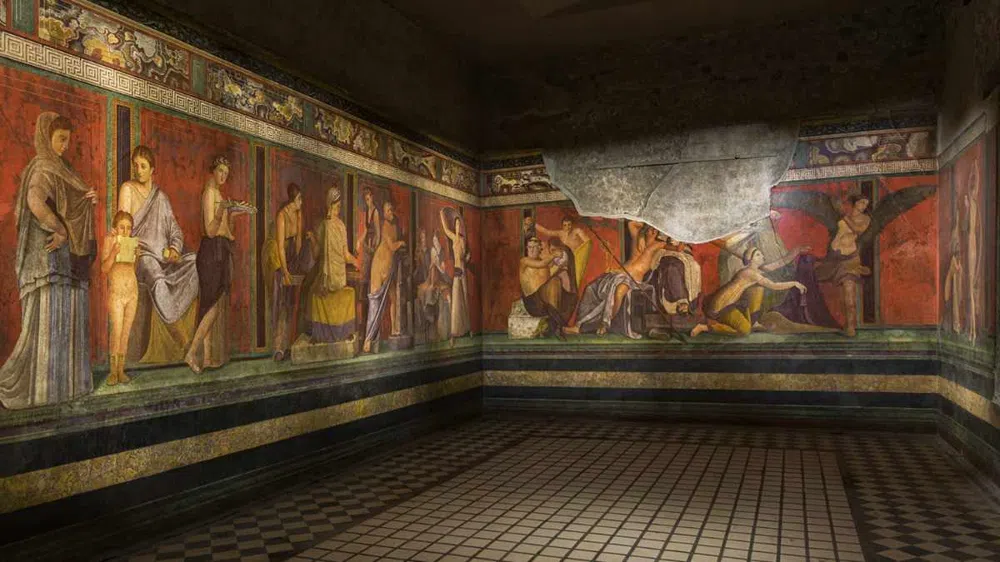
The Vesuvius day-trip dilemma: how to see Pompeii, Herculaneum and the crater without the cruise-ship crush
A field guide to timing the three big Vesuvius sites against the coach-tour crowds, plus the sites the excursions skip entirely.

Under the Mountain: Naples and the Volcano That Never Left
Vesuvius isn't Naples' day trip — it's the soil under the wine, the rock under the streets, and the thing the whole city has quietly organised its life around for two thousand years.
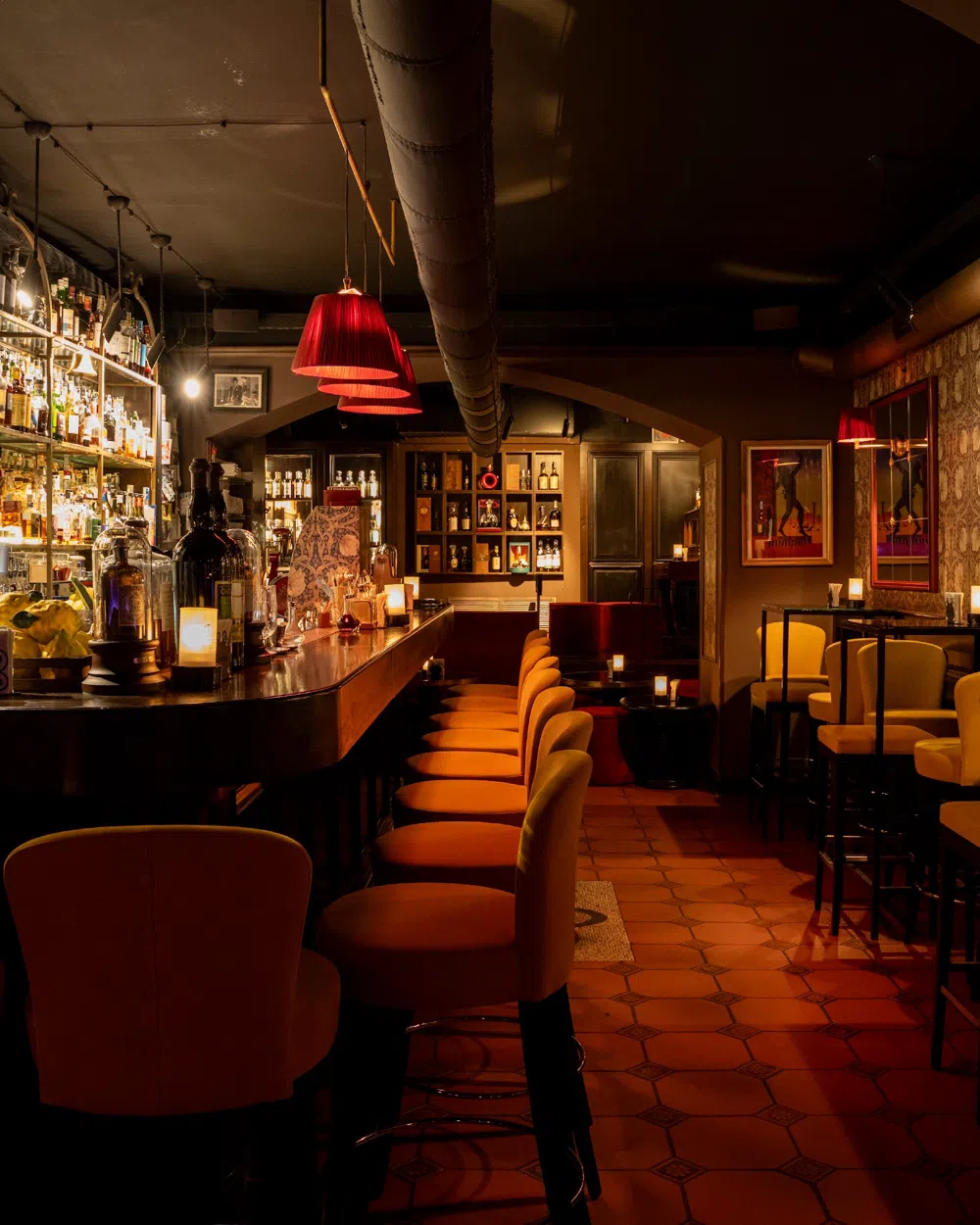
Naples After Dark: Where the City's Energy Shifts, Not Fades
From a €1 spritz in the Quartieri Spagnoli to a Vesuvius-lit rooftop, here's exactly where to stand when Naples changes gear after sundown.

The Art of the Pizzaiolo: How Naples Guards Its Pizza as a Sacred Craft
Naples treats its pizza less as a dish than as an inheritance — here is how to eat your way honestly through the craft, from the Tribunali shrines to the fried-dough counters and the new-wave dining rooms.
Where to base yourself
The neighborhoods
01
Centro Storico
For Perfect for first-time visitors who want to be steps away from major sights and historic pizzerias. The trade-off is constant noise, thick crowds, and a lack of open green space.
The dense, chaotic heart of the city, built along the ancient Greek grid. It is a sensory overload of narrow alleys, street food stalls, baroque churches, and shouting vendors.
Where to stay — Look for guesthouses inside restored 17th-century palazzos, which often feature quiet interior courtyards that block out the street noise.
02
Quartieri Spagnoli
For Suits travelers seeking raw authenticity and cheap street food. The trade-off is the constant buzz of scooters navigating tight spaces and a gritty atmosphere that can feel intimidating to some at night.
A historic grid of steep, narrow streets originally built to house Spanish garrison troops. It is famous for its overhead laundry lines, vibrant street art, and intense local life.
Where to stay — Simple, budget-friendly apartments and local bed-and-breakfasts dominate this area.
03
Chiaia
For Ideal for travelers who prefer a quieter, more polished environment with sea views. The trade-off is higher prices and a longer walk to the main historic sights.
An upscale, elegant waterfront district characterized by wide avenues, high-end fashion boutiques, leafy parks, and refined cocktail bars.
Where to stay — Boutique hotels and grand, classic establishments overlooking the Gulf of Naples.
04
Vomero
For Great for families and those wanting a peaceful retreat from the chaotic lower city. The trade-off is that you must rely on funiculars or the metro to get up and down.
A leafy, middle-class hilltop neighborhood filled with Art Nouveau villas, pedestrian shopping streets, and panoramic viewpoints.
Where to stay — Mid-range hotels and modern apartments with sweeping views of Vesuvius.
05
Rione Sanità
For Suits adventurous travelers interested in underground history and community projects. The trade-off is that it remains rough around the edges and has limited transit connections.
A deep valley neighborhood rich in baroque architecture and subterranean history, currently undergoing a major community-led cultural revival.
Where to stay — Independent guesthouses and social enterprise lodgings.
06
Posillipo
For Perfect for luxury travelers and those seeking quiet coastal beauty. The trade-off is poor public transit connectivity, requiring taxis or long walks to reach the center.
An exclusive, wealthy residential cliffside district offering dramatic views of the bay, Roman ruins, and quiet coves.
Where to stay — High-end luxury villas and private rental properties.
07
Santa Lucia
For Suits travelers wanting classic maritime views and easy access to the ferry ports. The trade-off is that the dining options here can be highly tourist-oriented.
A historic waterfront neighborhood wrapping around the small harbor of Borgo Marinari, defined by grand hotels and seafood restaurants.
Where to stay — Grand, historic 19th-century hotels lining the waterfront.
08
Montesanto
For Suits budget travelers who want quick transit access to the surrounding region and cheap local food. The trade-off is that the area is crowded, noisy, and dirty.
A bustling, working-class transit hub and market district where the city's commuter rail lines converge.
Where to stay — Basic, functional apartments near the train stations.
09
Materdei
For Suits slow travelers who want a calm base that still feels distinctly local and untouristy. The trade-off is a lack of major museums or nightlife.
A quiet, residential neighborhood known for its colorful metro station, local street art, and legendary pizzerias.
Where to stay — Quiet, residential bed-and-breakfasts.
Book direct
Book a hotel in Naples
Loading live availability and real-time prices…
Where to eat
Dining
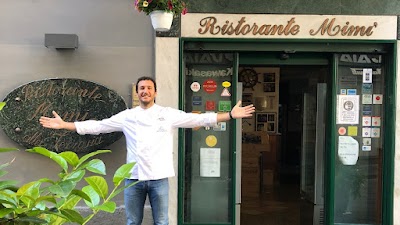
Mimì alla Ferrovia
€€€Stazione Centrale
A historic institution operating since the 1940s, famous for serving traditional seafood dishes to artists, politicians, and locals alike in a classic wood-paneled dining room.
Signature — Candele spezzate all'allesso
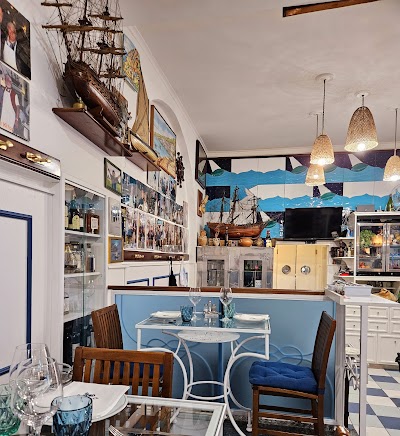
Ristorante Da Dora
€€€Chiaia
An intimate, tavern-like space tucked away in Chiaia, celebrated for its strictly fresh, wild-caught fish and traditional preparations.
Signature — Linguine all'astice (lobster linguine)
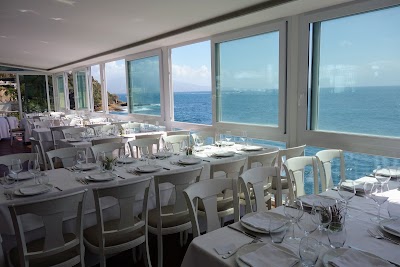
A Fenestella
€€€Marechiaro
Located right on the water in the historic fishing village of Marechiaro, offering exceptional coastal views and ultra-fresh seafood.
Signature — Spaghetti alle vongole
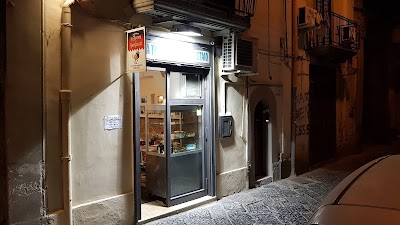
Taverna del Buongustaio
€€Centro Storico
A rustic, no-frills tavern that excels in hearty, meat-centric Neapolitan comfort food like grilled sausages and local pork cuts.
Signature — Salsiccia e friarielli (sausage with wild broccoli rabe)
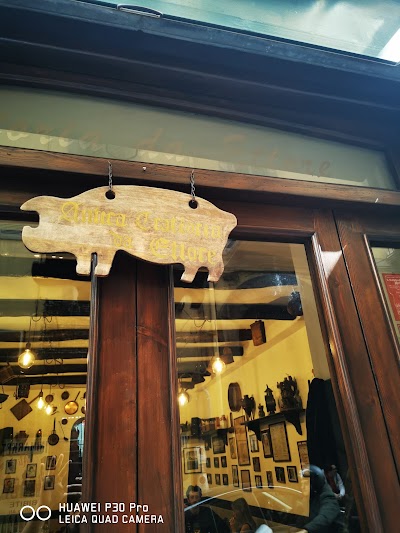
Trattoria Da Ettore
€€Santa Lucia
A traditional family-run spot known for its consistent execution of classic meat dishes and slow-cooked sauces.
Signature — Scaloppine al limone
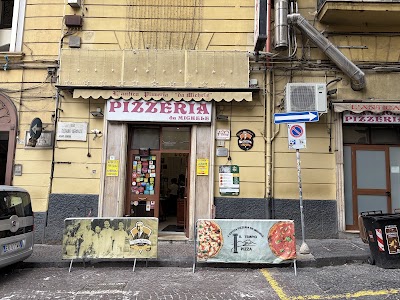
L'Antica Pizzeria da Michele
€Forcella
The undisputed temple of traditional pizza, serving only two varieties (Margherita and Marinara) on shared marble tables since 1870.
Signature — Pizza Margherita
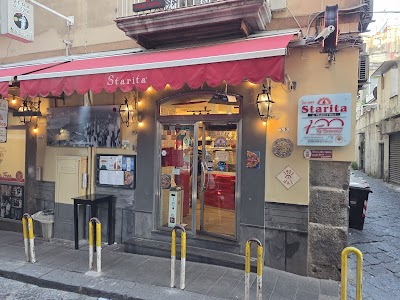
Pizzeria Starita a Materdei
€Materdei
A historic pizzeria famous for its creative use of fried dough and its appearance in classic Italian cinema.
Signature — Montanara Starita (fried then baked pizza)
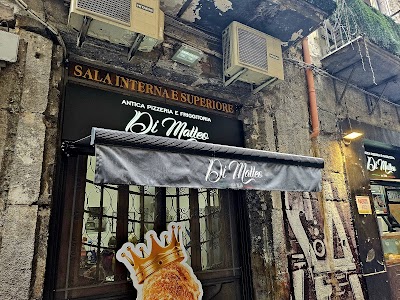
Pizzeria Di Matteo
€Centro Storico
A legendary spot on Via dei Tribunali famous for its street-facing fryer counter and classic wood-fired pies.
Signature — Pizza fritta (fried pizza filled with ricotta and provola)
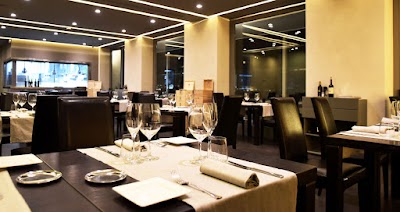
Palazzo Petrucci
€€€€Posillipo
A Michelin-starred venue set in a historic palace directly on the beach, offering contemporary interpretations of classic Neapolitan flavors.
Signature — Raw fish tasting menu
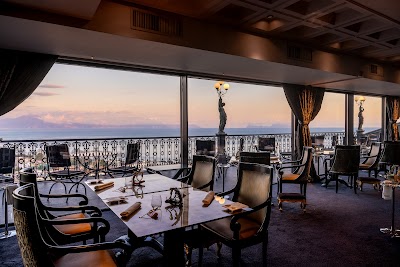
George Restaurant
€€€€Corso Vittorio Emanuele
Located on the roof of the Grand Hotel Parker's, this multi-starred restaurant combines French culinary precision with local ingredients and sweeping bay views.
Signature — Spaghettone with local yellow tomatoes and anchovies
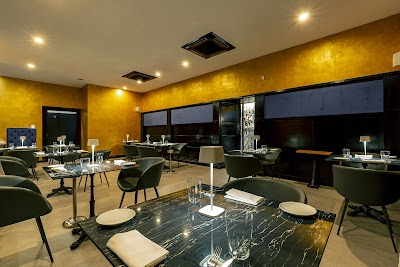
Veritas
€€€€Corso Vittorio Emanuele
A refined, minimalist space focusing on creative, modern dishes that highlight seasonal ingredients from small local producers.
Signature — Deconstructed parmigiana
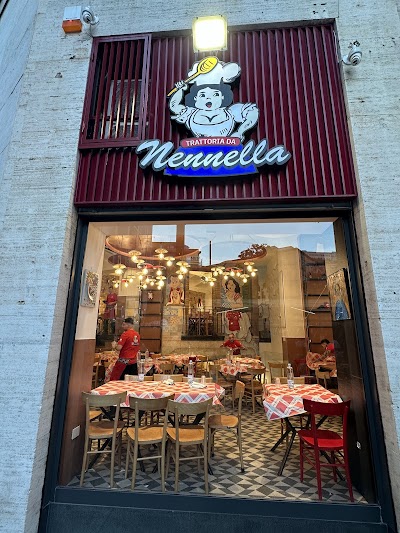
Trattoria da Nennella
€Quartieri Spagnoli
A chaotic, loud, and theatrical dining experience where waiters shout orders and sing, serving incredibly cheap, authentic local food.
Signature — Pasta e patate con provola (pasta with potatoes and smoked cheese)
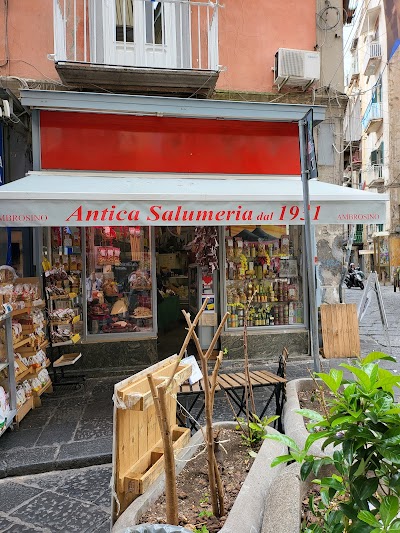
Pescheria Azzurra
€Pignasecca
A working fishmonger by day that serves incredibly fresh, cheap seafood cones and simple pasta dishes at outdoor high-top tables.
Signature — Cuoppo di mare (fried seafood cone)
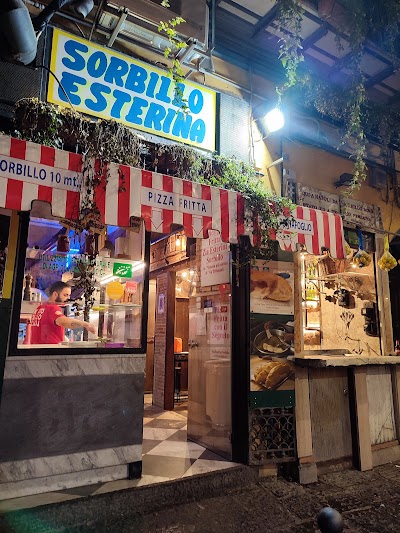
Antica Pizza Fritta da Zia Esterina Sorbillo
€Centro Storico
A tiny street-side counter dedicated solely to massive, golden fried pizzas made with organic flour.
Signature — Pizza fritta classic (ricotta, provola, and black pepper)
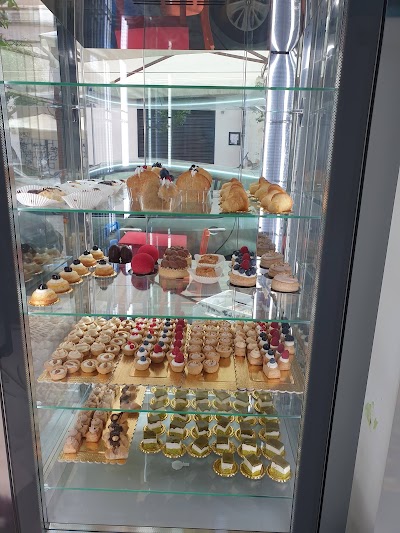
Sbuccia e Bevi Vegan House
€€Centro Storico
A fully vegan bistro offering creative plant-based versions of traditional street food, burgers, and fresh juices.
Signature — Vegan babà cake
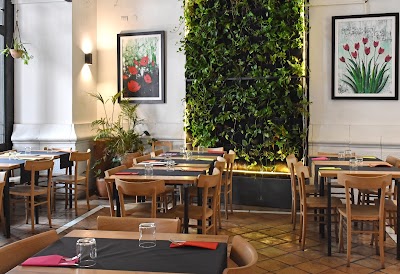
Vitto Pitagorico
€€Centro Storico
Located directly opposite the National Archaeological Museum, offering a refined menu of vegan, raw, and gluten-free dishes.
Signature — Vegan raw lasagna
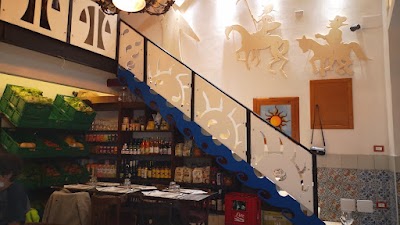
Amico Bio
€€Centro Storico
An organic, vegetarian-friendly restaurant sourcing ingredients directly from local farms in the Campania region.
Signature — Seasonal vegetable tempura
After dark
Nightlife
Duel Club
Bagnoli
An industrial-style multi-room venue known for hosting international techno and house DJs, as well as live indie concerts.
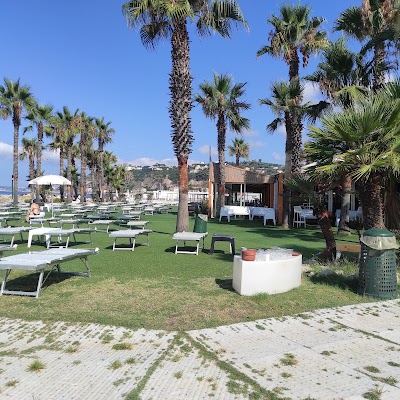
Arenile di Bagnoli
Bagnoli
A massive seaside resort that transforms into an open-air dance club and concert venue during the summer.
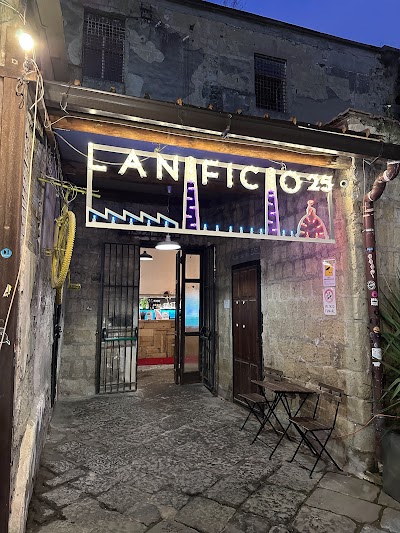
Lanificio 25
Porta Capuana
A unique cultural space set inside a restored 15th-century wool factory, hosting eclectic club nights and art performances.
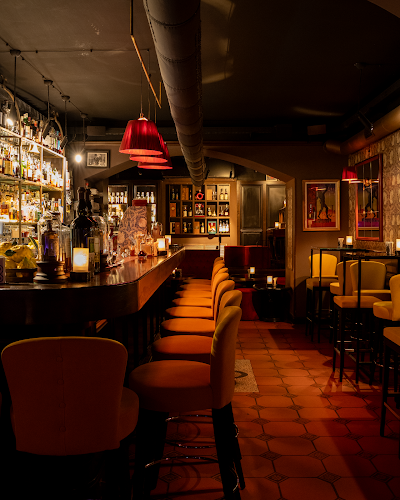
L'Antiquario
Chiaia
A world-class, speakeasy-style cocktail bar with red velvet decor, requiring a reservation to access its bespoke drink menu.

Libreria Berisio
Port'Alba
A functioning second-hand bookshop by day that transforms into a moody, candlelit cocktail bar by night.
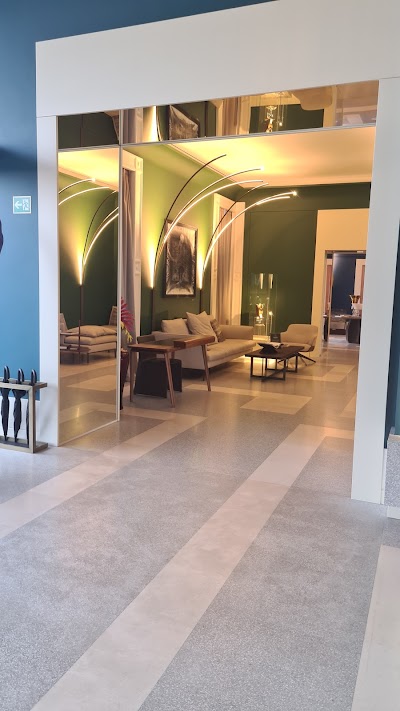
The Britannique Rooftop
Chiaia/Vomero
An elegant hotel rooftop bar offering expertly crafted cocktails with unobstructed views of the bay and Vesuvius.

Bourbon Street Jazz Club
Centro Storico
A cozy, dimly lit basement venue dedicated to showcasing local and international jazz talent.

Asilo Filangieri
Centro Storico
A self-managed cultural center housed in a former convent, hosting experimental music performances, theater, and cinema.
Art & history
Culture

Museo Archeologico Nazionale di Napoli (MANN)
Centro Storico
Home to the world's finest collection of Roman antiquities, including the mosaics excavated from Pompeii and the colossal Farnese sculptures.

Museo di Capodimonte
Capodimonte
A massive Bourbon royal palace housing an incredible art collection featuring works by Caravaggio, Titian, and Raphael, surrounded by a vast park.
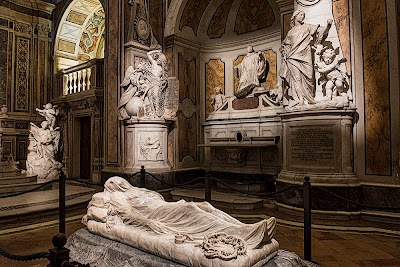
Museo Cappella Sansevero
Centro Storico
A small baroque chapel housing the legendary Veiled Christ sculpture, famous for the impossibly realistic marble veil draped over the figure.
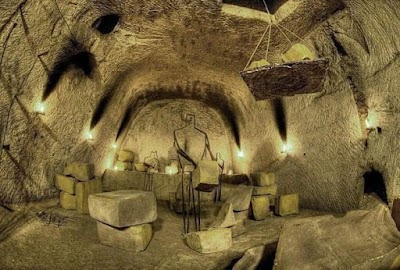
Napoli Sotterranea
Centro Storico
An underground tour exploring the ancient Greek-Roman aqueducts, air-raid shelters from WWII, and the remains of a Roman theater.
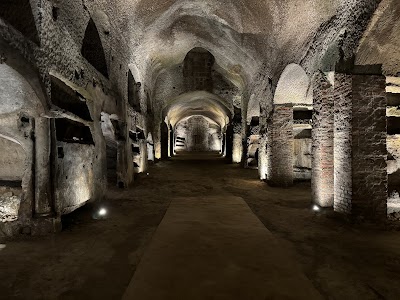
Catacombe di San Gennaro
Rione Sanità
An extraordinary multi-level underground Christian cemetery dating back to the 2nd century, featuring ancient frescoes and mosaics.

Madre (Museo d'Arte Contemporanea Donnaregina)
Centro Storico
A three-story contemporary art museum housed in a restored 19th-century palazzo, featuring site-specific works by Jeff Koons, Anish Kapoor, and Richard Serra.

Gallerie d'Italia - Napoli
Via Toledo
Housed in a grand former bank building, this gallery features Caravaggio's final masterpiece, 'The Martyrdom of Saint Ursula', alongside Neapolitan clay sculptures.
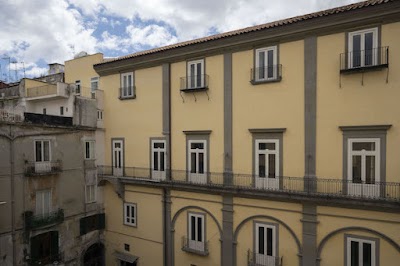
Fondazione Morra Greco
Centro Storico
A contemporary art foundation set in the Palazzo Caracciolo di Avellino, hosting cutting-edge international artists in raw, partially restored baroque rooms.
Book ahead
Top-rated experiences in Naples

Discover the Magic of the Amalfi and Sorrento Coast by Vespa
from $425

Private Amalfi Coast Tour: Scenic Positano, Amalfi & Ravello
from $282

Amalfi Coast Experience with our English - speaking drivers
from $366

The Godfather of the Amalfi Coast
from $354

Amalfi Ravello Positano Tour
from $320

Private Transfer from Naples to Positano
from $136

Ischia island private excursion on Gozzo Fratelli Aprea 7,5m
from $768

Enjoy the Amalfi Coast and Pompeii - Tour with our Local Driver
from $378
Prices from Viator; we may earn a commission when you book — at no extra cost to you. Tours are sold and operated by Viator, the merchant of record. Ratings are collected by Viator and Tripadvisor.
Timing
When to visit
Spring
From April to June, temperatures are warm enough for coastal walks, and the city's outdoor markets are at their most active before the summer humidity sets in.
Summer
July and August are intensely hot and humid. Many local shops and family-run trattorias close for several weeks in August for the Ferragosto holidays.
Autumn
September and October bring cooler air and fewer tourists, though October marks the beginning of the wetter autumn season.
Winter
November to March is damp and chilly, but the city is highly atmospheric, especially around Christmas when the nativity workshops of Via San Gregorio Armeno peak.
What it costs
Budgeting
Logistics
Getting around
From the airport
The Alibus shuttle departs regularly from Capodichino Airport, stopping at Piazza Garibaldi (Central Station) and the Immacolatella/Porta di Massa ferry ports. Tickets can be purchased directly from the driver.
Public transit
The transit network consists of Metro Line 1 (famous for its themed art stations), Metro Line 2 (run by the state railway), four historic funicular lines climbing to the Vomero district, and a complex network of buses.
Passes & tickets
The Campania Artecard is highly recommended. The three-day transit and museum pass covers public transport within the city and provides free or discounted entry to major cultural sites, falling into the €€ price band.
On foot
The historic center is best explored on foot, but the terrain is physically demanding. Streets are paved with uneven basalt blocks that become slick when wet, and the climb to uphill neighborhoods requires steep staircases or funiculars.
Travel smart
Safety & etiquette
Local etiquette
- •Never order a cappuccino after 11:00 AM; it is strictly considered a breakfast drink.
- •Always pay for your coffee or pastry at the cash register first, then take the receipt (scontrino) to the bar counter to order.
- •Dress modestly when entering churches; shoulders and knees must be covered.
From the ground
Practical tips
1
Buy your bus and metro tickets at a Tabaccheria (tobacco shop marked with a large 'T' sign) before boarding, as they cannot be purchased on the vehicles.
2
Wear sturdy, closed-toe shoes with good grip; the basalt street stones are uneven and become incredibly slippery when wet.
3
Download the 'Unico Campania' app to purchase digital transit tickets directly on your phone, saving you from searching for open tobacco shops.
4
Avoid visiting Pompeii in the middle of a summer day; there is virtually no shade, so aim for early morning or late afternoon instead.
5
Always carry a small amount of cash, as many small street food stalls, bakeries, and cafes do not accept card payments for small amounts.
6
When crossing streets, walk at a steady, predictable pace; drivers and scooter riders will calculate their path around you.
Naples FAQs
Is Naples safe for solo travelers?
Yes, it is generally safe if you use common sense. Stick to well-lit streets at night, keep your belongings secure, and avoid the immediate area around the central train station late at night.
How do I get to Pompeii from the city center?
Take the Circumvesuviana commuter train from the lower level of Piazza Garibaldi station directly to Pompei Scavi-Villa dei Misteri.
Can I find gluten-free pizza in the city?
Yes, many historic pizzerias, including Starita and modern spots like Sorbillo, offer excellent gluten-free pizzas prepared in dedicated, separate ovens.
How many days do I need to see the city?
Three days is the ideal duration to explore the historic center, visit the major museums, and take one day trip to Pompeii or an island.
Is the tap water safe to drink?
Yes, the tap water is perfectly safe to drink, though locals often prefer bottled water or public drinking fountains.